Support crypto-backed stablecoins
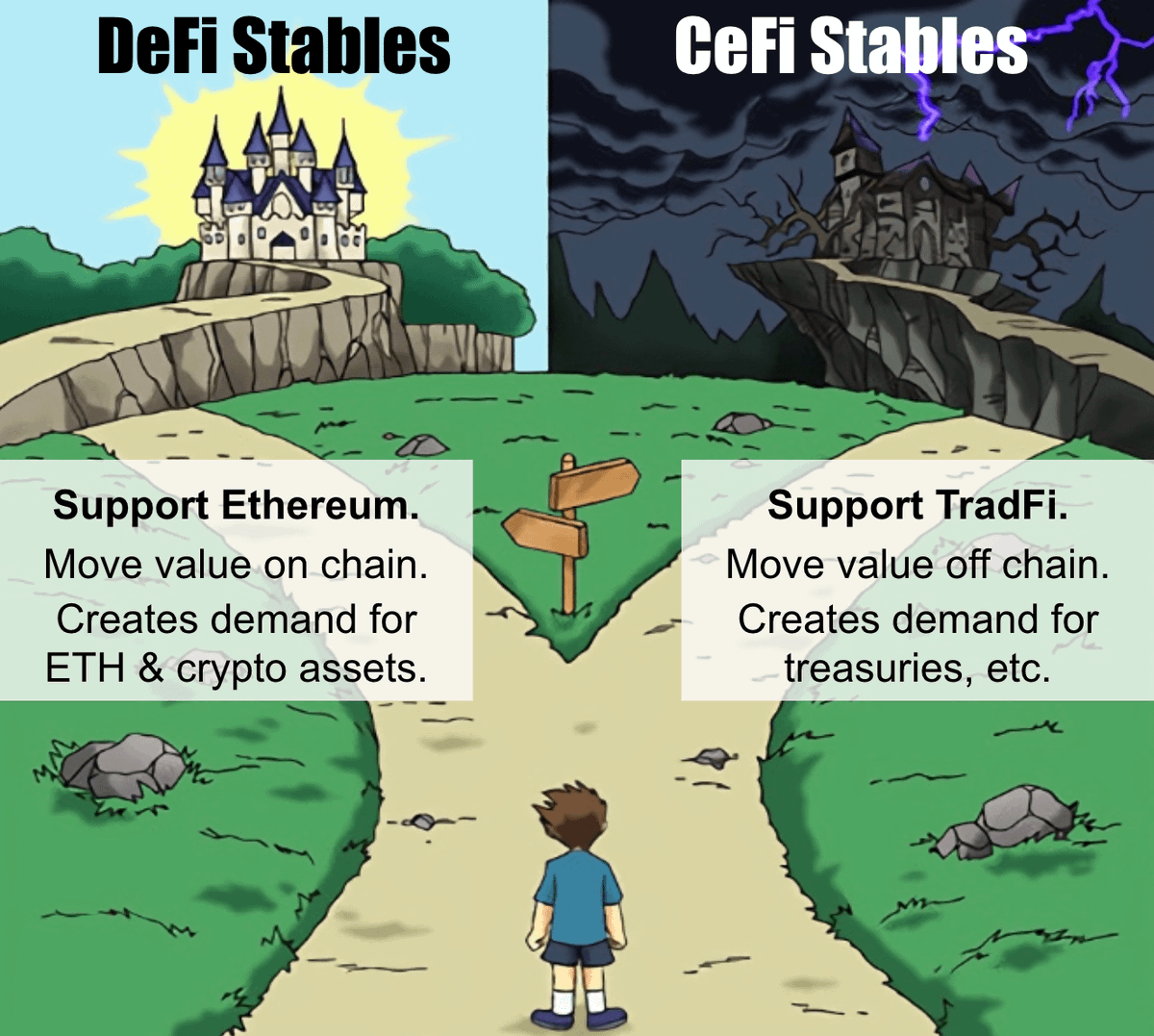
𝕏/@LiquityProtocol •
Revision history
3 recorded changes
Want your article here?
Promote with Leviathan News3 recorded changes
Want your article here?
Promote with Leviathan NewsLiquity Protocol’s post calling to “Support crypto-backed stablecoins” points to a broader debate over how stablecoins should be designed and regulated. Crypto-backed stablecoins differ from fiat-backed ones because they are secured by other cryptoassets held in smart contracts, typically with over-collateralization to absorb volatility. That design choice matters because it changes the risk profile. Fiat-backed stablecoins are the dominant model and are usually backed by cash or short-term government securities, while crypto-backed stablecoins rely on more volatile collateral and often need extra reserves to stay near their peg. The issue is relevant to Liquity because the protocol is associated with decentralized, crypto-collateralized stablecoin design, which sits at the center of ongoing discussions about capital efficiency, decentralization, and regulatory treatment. The post matters because stablecoins have become a core part of crypto payments and trading, with large-scale transfer activity across the sector. As regulators increasingly define which stablecoin structures qualify for payment-use frameworks, the distinction between fiat-backed and crypto-backed models is becoming more important for issuers, users, and DeFi protocols alike.
AI-generated background, compiled from web sources — not editorial content.
Loading related coverage…
Loading comments…

Circle ·

Coindesk ·

𝕏/@payy_link ·

𝕏/@CoinbaseMarkets ·

𝕏/@circle ·

𝕏/@Solana_Emperor ·
Circle ·
Coindesk ·
𝕏/@payy_link ·
𝕏/@CoinbaseMarkets ·
𝕏/@circle ·
𝕏/@Solana_Emperor ·
🚀 Love DeFi? Ready to dive in and start earning $SQUID while making an impact?
Danicjade
The competition between these 2 will be fierce in coming years
Danicjade
The competition between these 2 will be fierce in coming years
Spencer420
"Move $15+ BILLION from TradFi onchain.
All it takes is a 5% shift from CeFi>DeFi stables.
CeFi stables support Wall Street.
DeFi stables support Ethereum."
Maven
For now, cefi still has the trust of the people compared to deFi stabled