Vitalik New post: Deeper dive on cross-L2 reading for wallets and other use cases.

vitalik.ca •
Revision history
0 recorded changes
Want your article here?
Promote with Leviathan News0 recorded changes
Want your article here?
Promote with Leviathan NewsVitalik Buterin’s June 2023 post “Deeper dive on cross-L2 reading for wallets and other use cases” examines how Ethereum applications and wallets can more efficiently read state across different layers and rollups, rather than focusing only on cross-chain asset transfers. He frames this as a key technical sub‑problem of the broader “three transitions” he has highlighted for Ethereum: better L1 + cross‑L2 support, stronger wallet security, and improved privacy. The core challenge is enabling contracts and wallets on one domain (an L1 or L2) to trustlessly and cheaply access recent state from another domain (L1↔L2 and L2↔L2), such as balances, nonces, or authorization data. The post explores mechanisms for cross‑domain state reading that are critical for architectures where asset storage and key/authorization logic are separated, for example by having a “keystore” or “control” contract on one chain controlling assets on another. Vitalik discusses how L2s can learn recent Ethereum (L1) state roots, how to use proofs of inclusion to verify data from other chains, and how these patterns can be used to build more robust wallets, safer cross‑L2 calls, and more secure bridges. The ideas have informed designs such as multi‑network smart contract wallets (e.g., Safe’s multinetwork approach) and omnichain account abstraction, where a single logical account can operate across many rollups while minimizing trust in third‑party bridges or ad‑hoc relayers. This work matters because Ethereum’s rollup‑centric roadmap depends on reliable cross‑L2 communication; efficient and secure cross‑L2 reading is a foundational primitive for user‑friendly multi‑chain wallets, cross‑domain dapps, and safer bridging infrastructure.
AI-generated background, compiled from web sources — not editorial content.
𝕏/@Kinetiq_xyz ·
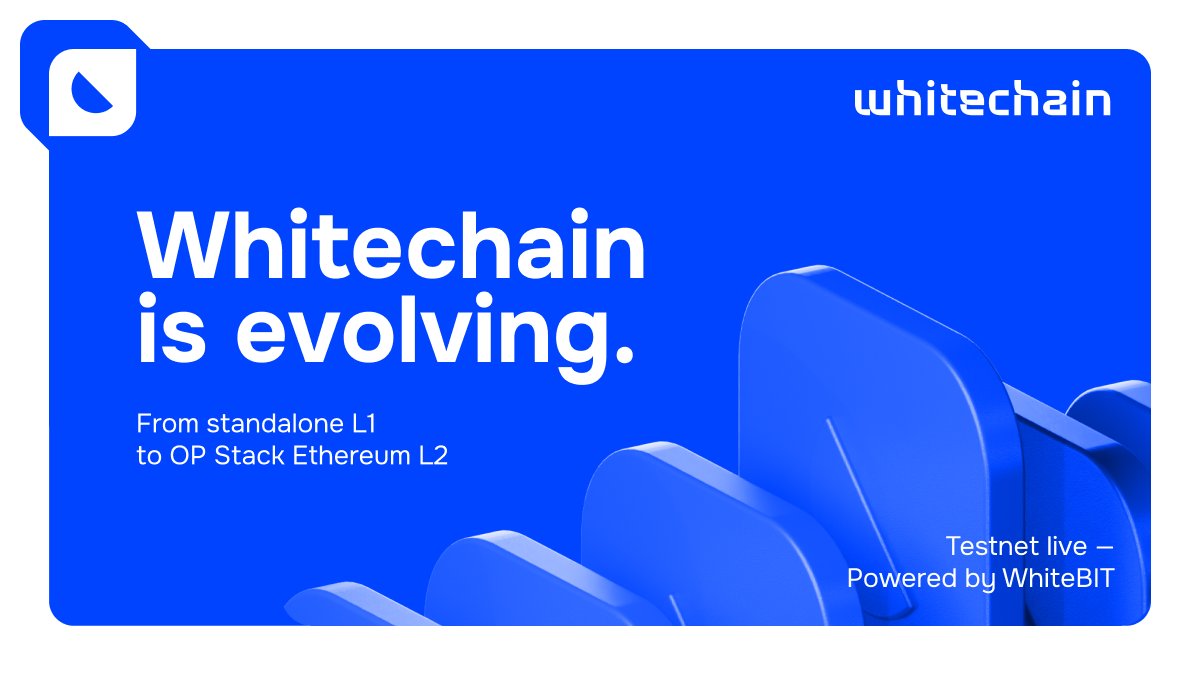
𝕏/@Whitechain_io ·

𝕏/@Metal_L2 ·

𝕏/@ryanberckmans ·
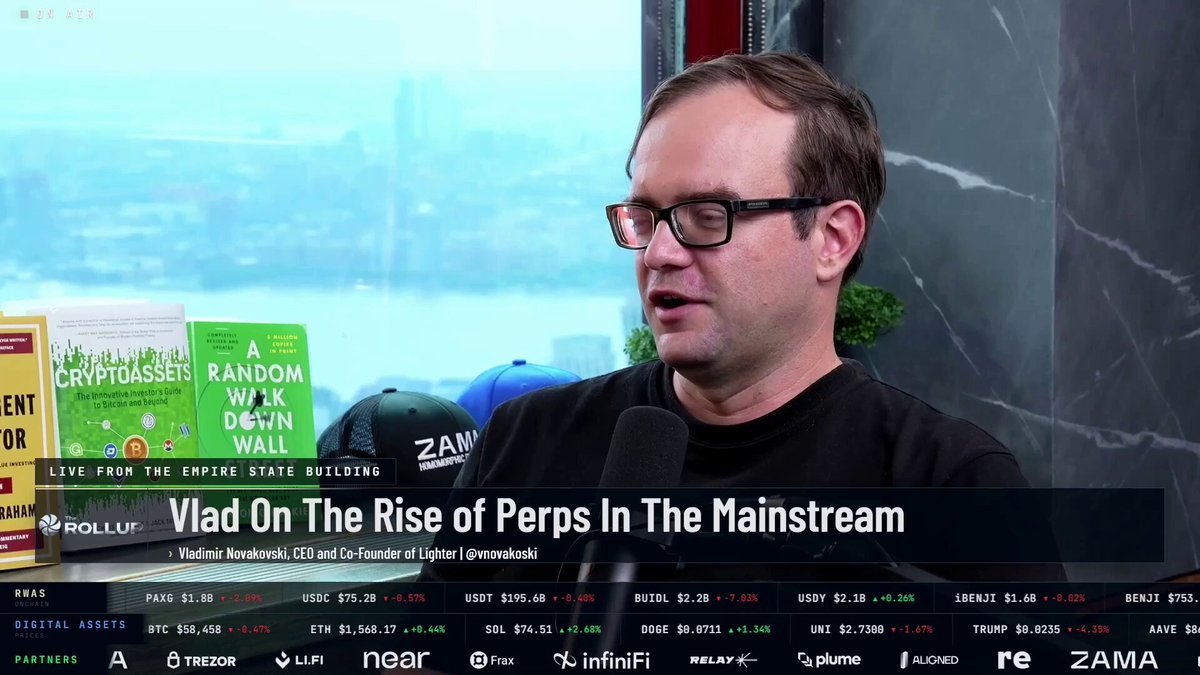
𝕏/@Etherealize_io ·

𝕏/@Sophon ·
𝕏/@Kinetiq_xyz ·
𝕏/@Whitechain_io ·
𝕏/@Metal_L2 ·
𝕏/@ryanberckmans ·
𝕏/@Etherealize_io ·
𝕏/@Sophon ·
🚀 Love DeFi? Ready to dive in and start earning $SQUID while making an impact?