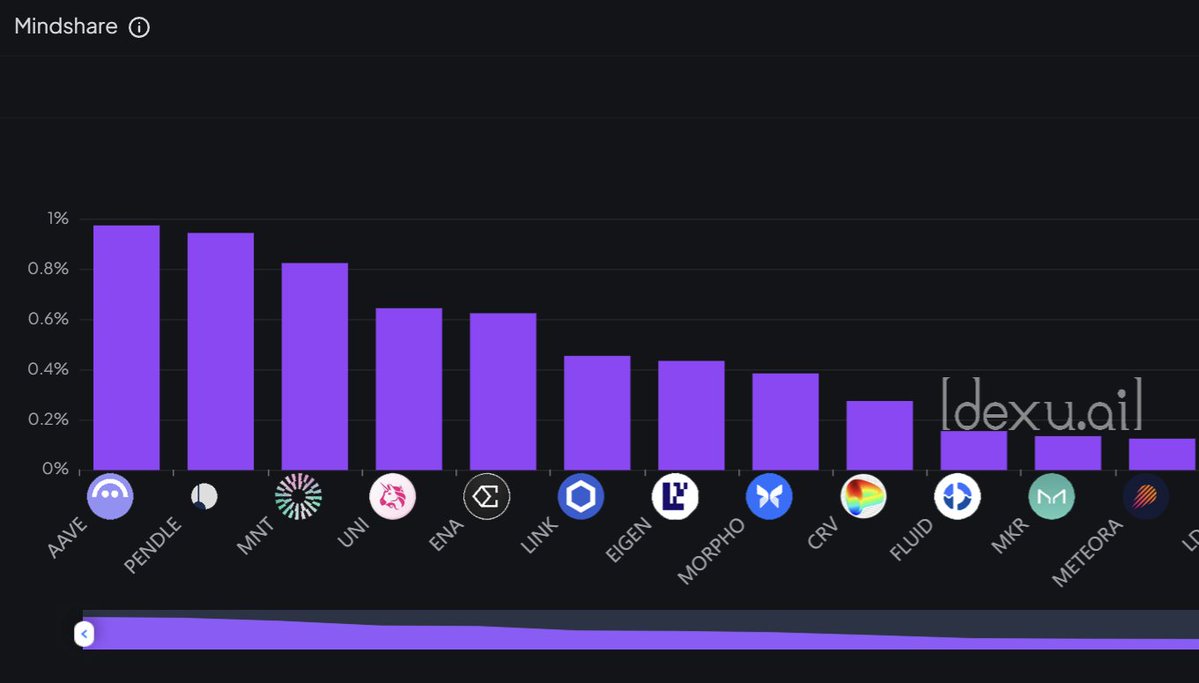
Crypto crime cycle: When someone knowingly pull the spotlight onto a project without caring about its fundamentals, they are manufacturing hope with no intention of sustaining it. It's like selling oxygen tanks to drowning men and then cutting off the supply halfway. Attention is turned into a weapon and it is why attention itself becomes a crime.

Crypto crime cycle: When someone knowingly pull the spotlight onto a project without caring about its fundamentals, they are manufacturing hope with no intention of sustaining it. It's like selling oxygen tanks to drowning men and then cutting off the supply halfway. Attention is turned into a weapon and it is why attention itself becomes a crime.
𝕏/@hmalviya9
Revision history

6 recorded changes

Want your article here?

Promote with Leviathan News


The story centers on a post by pseudonymous crypto commentator Harsh Malviya (@hmalviya9), who describes a recurring “crypto crime cycle” in which promoters deliberately drive attention to weak or dubious projects without regard for fundamentals. In his analogy, this kind of hype is like “selling oxygen tanks to drowning men and then cutting off the supply halfway,” emphasizing how opportunistic marketers manufacture hope, extract value during a spike in interest, and then abandon retail participants once the spotlight moves on. The post frames attention itself as a weapon, arguing that when it is knowingly used in this way, attention becomes a form of wrongdoing in its own right rather than a neutral marketing tool. This commentary lands against a backdrop of rising concern over crypto-related fraud and hype-driven schemes, where social media promotion, influencer marketing, and narrative-driven “memecoins” or token launches can funnel large inflows into projects that lack transparency, sustainability, or real utility. Regulators and researchers have documented how investment scams, rug pulls, and manipulative promotion constitute a significant share of crypto crime losses, contributing to billions of dollars in annual harm to retail investors. Malviya’s post does not introduce a specific case or new data point; instead, it articulates a critique of the structural role of attention and marketing in these cycles, highlighting how recurring patterns of manufactured hype, rapid value extraction, and abandonment can be viewed as part of a broader ecosystem of crypto misconduct rather than isolated bad actors.

AI-generated background, compiled from web sources — not editorial content.

More coverage

Explore the topic

More on Spotlight

Comments