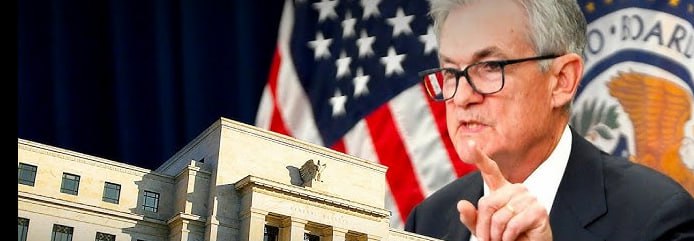
The Fed is now heavily divided on the issue of December rate cut; Some officials are expressing concerns about sticky inflation and tariff effects, while some believe that weak employment and slowing demand deserves more attention.
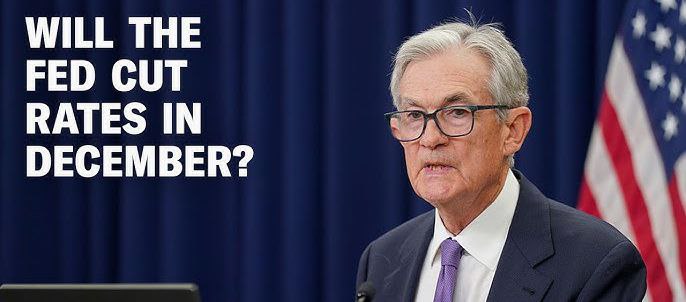
The Fed is now heavily divided on the issue of December rate cut; Some officials are expressing concerns about sticky inflation and tariff effects, while some believe that weak employment and slowing demand deserves more attention.
WSJ
Revision history

10 recorded changes

Want your article here?

Promote with Leviathan News


Federal Reserve officials are increasingly split over whether to deliver another interest-rate cut at their December 2025 meeting, reflecting tension between still-elevated inflation and signs of a cooling labor market and softer demand. According to commentary summarized by the Wall Street Journal, some policymakers are focused on the risk that inflation remains sticky and could be pushed higher by new or proposed tariffs, while others argue that weakening job growth, rising unemployment and slowing consumer spending mean the Fed should put more weight on its employment mandate. This internal division follows three consecutive quarter-point cuts that brought the federal funds rate down to a 3.50–3.75% target range at the December 10, 2025 FOMC meeting, a move that itself drew dissents from officials who either wanted a larger 50-basis-point cut or no cut at all. The debate now centers on whether further easing risks re-accelerating price pressures—especially if tariffs raise import costs—or whether holding rates steady would tighten financial conditions into a slowing economy and rising joblessness. Market expectations for an additional December cut have consequently become more uncertain, with pricing implying roughly coin‑flip odds amid the conflicting data on inflation and employment. The outcome of this dispute matters for financial markets, borrowing costs, and growth expectations going into 2026. A decision to cut again would signal the Fed is prioritizing support for the labor market and demand, while a pause would indicate greater concern about the persistence of inflation and tariff-driven price shocks. The differing public remarks from regional Fed presidents and governors highlight how finely balanced this policy trade‑off has become, increasing the importance of upcoming inflation releases, labor market reports, and any changes in trade policy for the December decision.

AI-generated background, compiled from web sources — not editorial content.

More coverage

Explore the topic

More on Inflation

Comments