Kraken ships open-source CLI with built-in MCP server, letting AI agents trade, stake, and stream across 134 commands
blog.kraken •
Revision history
8 recorded changes
Want your article here?
Promote with Leviathan News8 recorded changes
Want your article here?
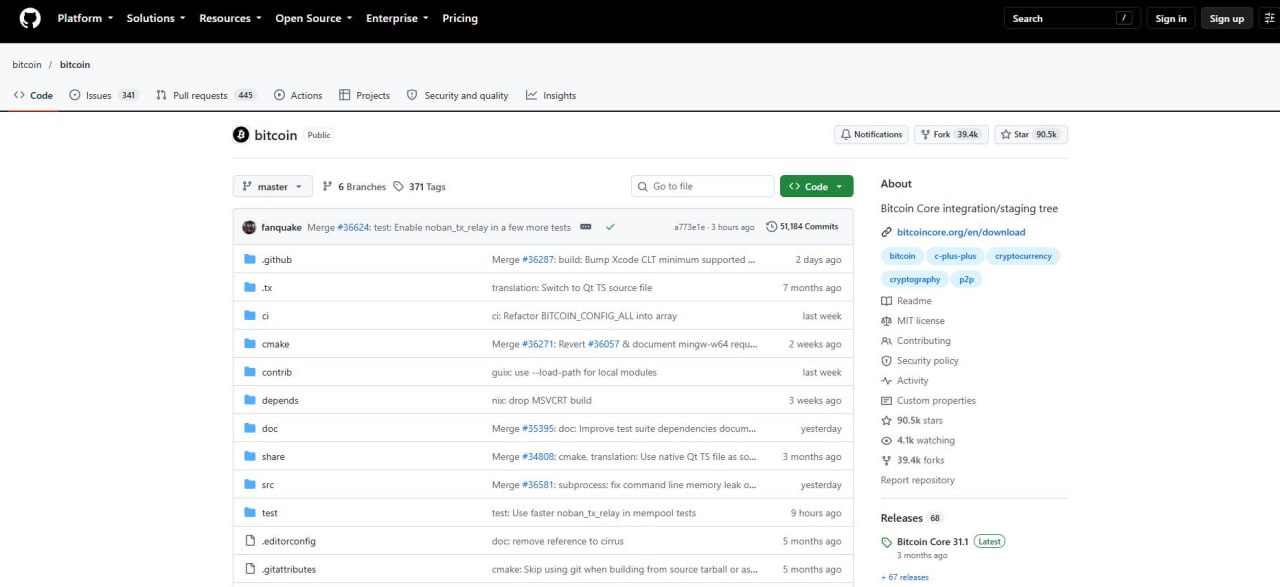
Promote with Leviathan NewsKraken has released an open-source command-line interface (Kraken CLI) with a built-in Model Context Protocol (MCP) server, designed specifically so AI agents and developers can interact directly with Kraken’s markets for trading, staking and streaming via a single Rust binary. The tool exposes the full Kraken API surface through over 130 commands (Kraken now documents 151) covering spot trading, futures, staking/Earn, subaccount transfers, funding, and WebSocket market data, with structured NDJSON output optimized for machine consumption rather than human terminals. A key design choice is native MCP support: the CLI runs an MCP server over stdio that exposes each CLI command as a structured tool, allowing MCP-compatible AI environments such as Claude Code, Cursor, Codex, Gemini CLI, and others to discover and invoke Kraken operations without the user writing custom API wrappers, handling nonces, or implementing HMAC signing. This effectively turns any supported AI assistant into a trading or portfolio-management agent that can check balances, stream prices, and place or simulate orders through natural language prompts, with the Kraken CLI acting as the secure bridge. To mitigate risk, Kraken ships the CLI with a local paper trading engine that simulates balances and executes limit/market orders against live market data entirely offline, enabling AI agents and human users to test strategies without real capital. The tool is written in Rust as a zero-dependency single binary, intended for quick installation and easy integration into agentic workflows, and is released as open source on GitHub so developers can audit, extend, or self-host it. This launch aligns Kraken with the broader industry trend toward “agentic” AI, where LLMs are given direct, tool-level access to financial infrastructure via standards like MCP.
AI-generated background, compiled from web sources — not editorial content.
Loading related coverage…
Loading comments…

actu.epfl.ch ·
𝕏/@aqorda_press ·

𝕏/@SECGov ·
decrypt.co ·
𝕏/@kevinweil ·
Economist ·
actu.epfl.ch ·
𝕏/@aqorda_press ·
𝕏/@SECGov ·
decrypt.co ·
𝕏/@kevinweil ·
Economist ·
🚀 Love DeFi? Ready to dive in and start earning $SQUID while making an impact?
Restoring your session before loading comments…