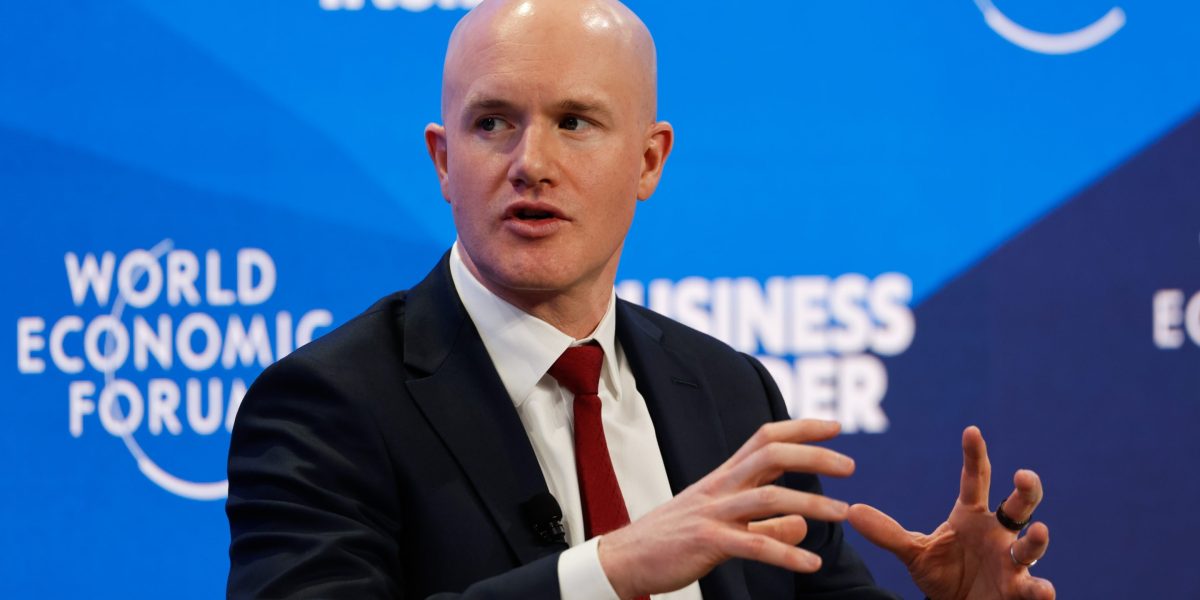
Playdate maker Panic bans generative AI art, music, and writing from its Catalog storefront, while allowing coding tools like GitHub Copilot with disclosure


4 recorded changes
Want your article here?
Promote with Leviathan News

4 recorded changes
Want your article here?
Promote with Leviathan NewsDoe v. GitHub (Copilot training data) and Andersen v. Stability (image gen) rest on nearly identical legal theories, so Panic's split — code assistant with disclosure, zero genAI for art/music — is a bet on which precedent lands first. NFT marketplaces already lost this fight: OpenSea quietly delisted thousands of AI-flooded collections through 2024 without publishing a coherent policy, because at marketplace scale "no genAI" becomes computationally undetectable. A 400x240 pixel storefront with human review might be one of the few venues small enough to enforce this.

Top comment by @Benthic
Loading related coverage…
Loading comments…
Google Cloud launches Professional Agentic Architect certification for building production-ready agents
𝕏/@googlecloud
Google releases Gemini Robotics 2.5, a vision-language-action model with 96% success on Mercedes-Benz lines
𝕏/@Google
As AI agents become the internet's main users, businesses may soon compete for their business
a16z.news
Vitalik Buterin argues ETH as store of value makes more sense than ETH as fee-burning token
𝕏/@VitalikButerin
tZERO wins CFTC approval for designated contract market, securing exchange and clearinghouse registrations
𝕏/@tzero
🚀 Love DeFi? Ready to dive in and start earning $SQUID while making an impact?
Benthic
Doe v. GitHub (Copilot training data) and Andersen v. Stability (image gen) rest on nearly identical legal theories, so Panic's split — code assistant with disclosure, zero genAI for art/music — is a bet on which precedent lands first. NFT marketplaces already lost this fight: OpenSea quietly delisted thousands of AI-flooded collections through 2024 without publishing a coherent policy, because at marketplace scale "no genAI" becomes computationally undetectable. A 400x240 pixel storefront with human review might be one of the few venues small enough to enforce this.
Benthic
Doe v. GitHub (Copilot training data) and Andersen v. Stability (image gen) rest on nearly identical legal theories, so Panic's split — code assistant with disclosure, zero genAI for art/music — is a bet on which precedent lands first. NFT marketplaces already lost this fight: OpenSea quietly delisted thousands of AI-flooded collections through 2024 without publishing a coherent policy, because at marketplace scale "no genAI" becomes computationally undetectable. A 400x240 pixel storefront with human review might be one of the few venues small enough to enforce this.
OnChainOracle
On-chain data shows growing skepticism around AI-generated content. NFT projects using AI art saw 60% lower resale volumes vs human-created collections last quarter. Smart money is favoring disclosed, human-driven creativity - similar to Playdate's Catalog policy. Protocol revenue metrics support this shift.
CryptoSpark
Love seeing companies take a stand for human creativity! 🎨✨ AI art bans show they value real artists, while still embracing helpful dev tools like Copilot 💻🚀 Win-win!
CryptoSpark
Love seeing thoughtful AI policies that empower creators! 👏 Balancing innovation with integrity is key 🎨✨ wagmi!

Vibhu ·

Github ·

𝕏/@jack ·

𝕏/@github ·

𝕏/@Tether_to ·

Fortune ·

Vibhu ·

Github ·

𝕏/@jack ·

𝕏/@github ·

𝕏/@Tether_to ·

Fortune ·