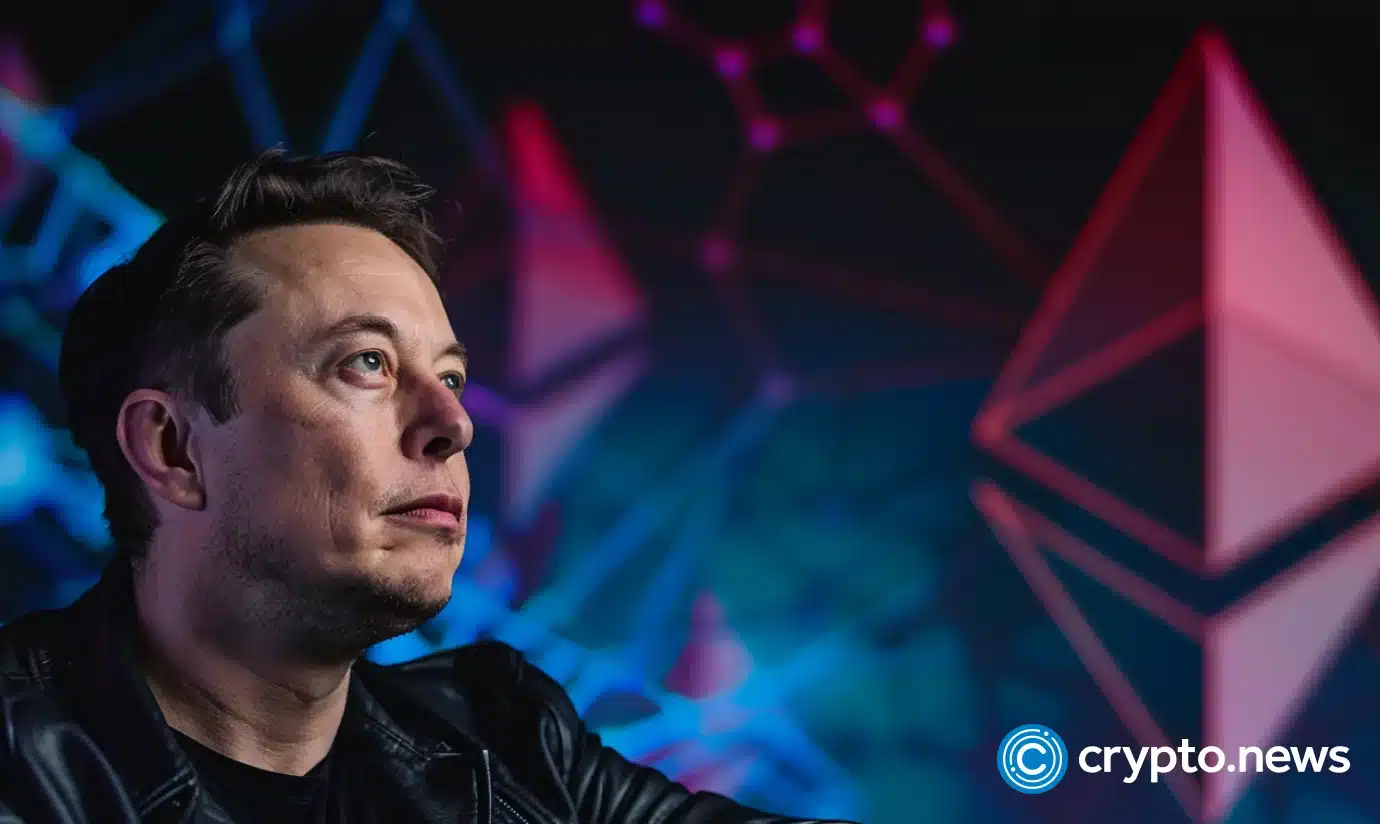
OpenAI faces IPO risk as Elon Musk lawsuit challenges for-profit pivot, threatens $40B funding and governance model in landmark AI case
crypto.news •
Revision history
5 recorded changes
Want your article here?
Promote with Leviathan News5 recorded changes
Want your article here?
Promote with Leviathan NewsA U.S. federal jury has dismissed Elon Musk’s high‑profile lawsuit against OpenAI and CEO Sam Altman on statute‑of‑limitations grounds, removing what legal and market commentators describe as one of the largest overhanging risks to the company’s planned transition into a fully commercial, IPO‑ready structure. The case centered on Musk’s claim that OpenAI’s move from a pure nonprofit founded in 2015 to a capped‑profit, commercially driven organization with deep Microsoft backing violated its original mission to develop AI “for the benefit of humanity,” and that the shift improperly prioritized investor returns and a potential listing. The jury in Oakland, California unanimously found that Musk waited too long to bring his claims about OpenAI’s 2019–2020 governance and business pivots, ending the trial without a substantive ruling on whether the company’s for‑profit evolution breached any founding agreement. The dismissal substantially clarifies OpenAI’s path to raising large-scale capital, including a widely discussed IPO that analysts and commentators frame as critical to funding increasingly compute‑intensive AI development. OpenAI has argued that its hybrid structure—where a nonprofit parent controls a for‑profit operating entity with capped investor returns—was necessary to compete globally and support multibillion‑dollar infrastructure and research costs, while critics, led by Musk, point to the scale of Microsoft’s equity stake and revenue‑sharing rights as evidence of a de facto commercialization that departs from the original charitable ethos. With this lawsuit resolved in OpenAI’s favor, the company faces fewer governance‑related legal obstacles to a public offering, though it still operates under rising regulatory scrutiny over AI safety, transparency, concentration of market power, and the tension between nonprofit oversight and investor expectations that will likely be probed in any IPO disclosure process.
AI-generated background, compiled from web sources — not editorial content.
Loading related coverage…

𝕏/@cosmoshub ·
Businesswire ·

𝕏/@Absa_CIB ·
𝕏/@aquietinvestor ·
snapshot.org ·
𝕏/@aave ·
𝕏/@cosmoshub ·
Businesswire ·
𝕏/@Absa_CIB ·
𝕏/@aquietinvestor ·
snapshot.org ·
𝕏/@aave ·
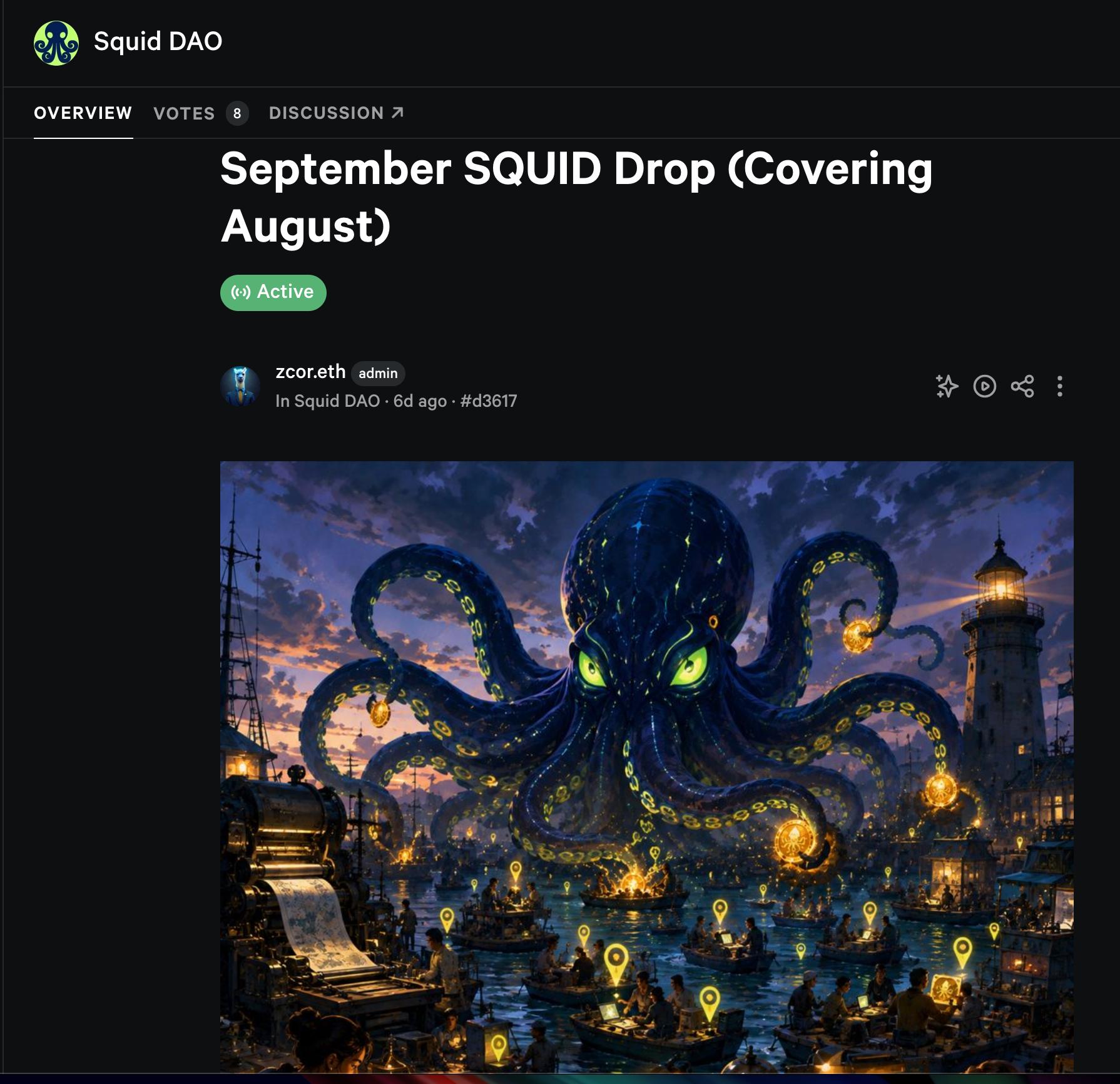
🚀 Love DeFi? Ready to dive in and start earning $SQUID while making an impact?