Galachain partners with Shrapnel to access China's Trusted Copyright Chain for 600 million gamers.
decrypt.co •
Revision history
8 recorded changes
Want your article here?
Promote with Leviathan News8 recorded changes
Want your article here?
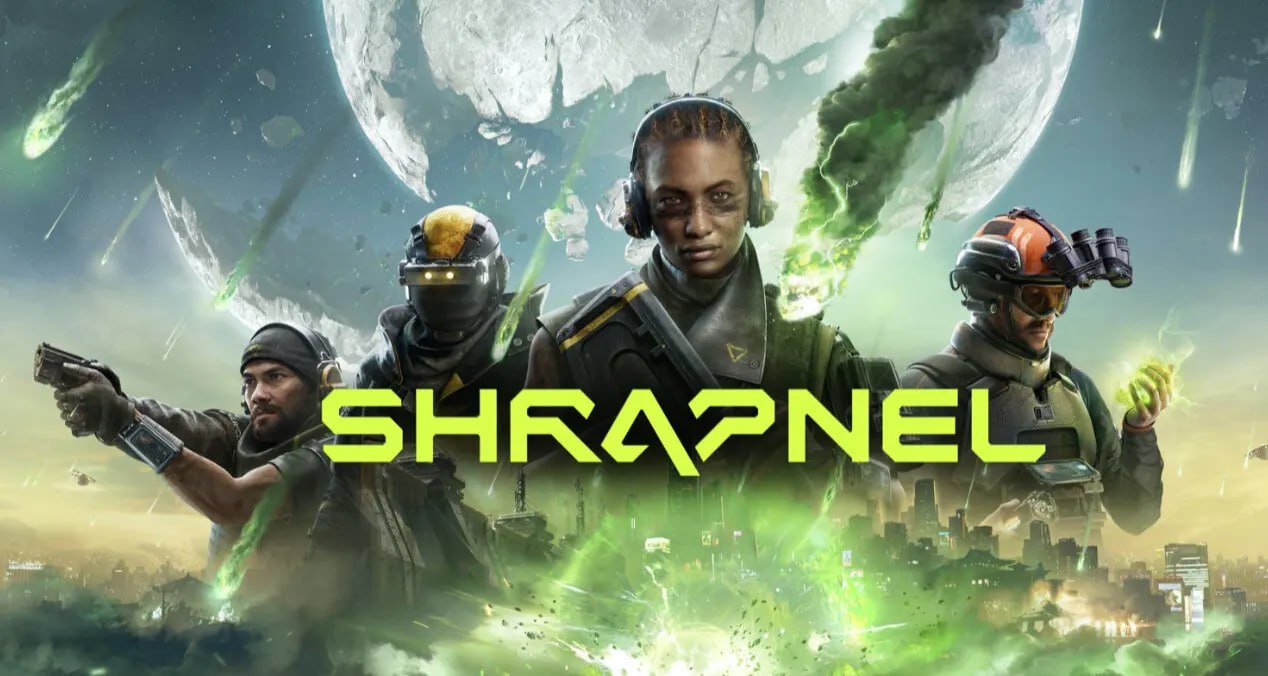
Promote with Leviathan NewsGalaChain, the Layer 1 blockchain developed by Gala Games, has signed a strategic partnership with AAA Web3 first-person shooter Shrapnel to integrate with China’s Trusted Copyright Chain (TCC), making GalaChain the first foreign or Western blockchain to gain access to this government-backed digital asset and copyright registry. The deal is designed to create a compliant cross‑border bridge for NFTs and in‑game assets, opening a regulated path for roughly 600 million Chinese gamers to interact with Shrapnel’s and other Gala-based digital items while staying within China’s strict rules on blockchain, IP, and virtual assets. Under the partnership, Shrapnel is migrating its Web3 infrastructure from Avalanche to GalaChain, which already hosts the game’s global on-chain economy and hundreds of thousands of NFTs. GalaChain will be technically linked to the TCC, a permissioned, state-recognized blockchain used to register and protect digital copyrights in China, so that in-game assets, NFTs, and creative works can be officially registered, authenticated, and traded under Chinese law. The collaboration includes development of a cross-border bridge between GalaChain and TCC, with public launch targeted for early 2026, and supports parallel global and China-compliant versions of Shrapnel, enabling Chinese players to buy, sell, and trade game items in RMB inside a regulated marketplace rather than via grey markets. The move is significant because it gives a Western Web3 game and blockchain a rare, compliant route into China’s roughly $49 billion gaming market, where foreign crypto and NFT projects have historically faced regulatory barriers. By operating through the TCC and aligning with domestic data and content rules, the GalaChain–Shrapnel integration aims to bridge Chinese and global gaming economies: digital assets can be recognized and protected by Chinese IP frameworks while still being connected, via GalaChain, to international players and markets. For China’s large gamer and creator base, it introduces a state-sanctioned way to own and monetize digital items on-chain; for Western Web3 projects, it serves as a test case for combining blockchain economies with national digital asset infrastructures and formal regulation at scale.
AI-generated background, compiled from web sources — not editorial content.
𝕏/@PayPal ·

Coindesk ·

pyth.network ·

𝕏/@malekanoms ·

𝕏/@RayDalio ·
·
𝕏/@PayPal ·
Coindesk ·
pyth.network ·
𝕏/@malekanoms ·
𝕏/@RayDalio ·
·
🚀 Love DeFi? Ready to dive in and start earning $SQUID while making an impact?