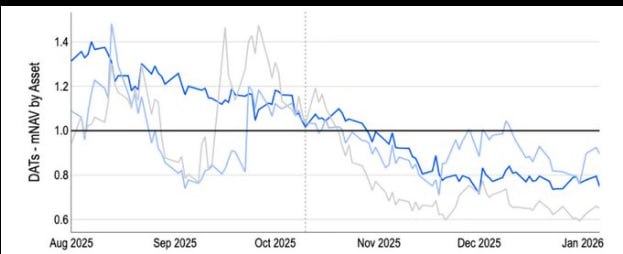
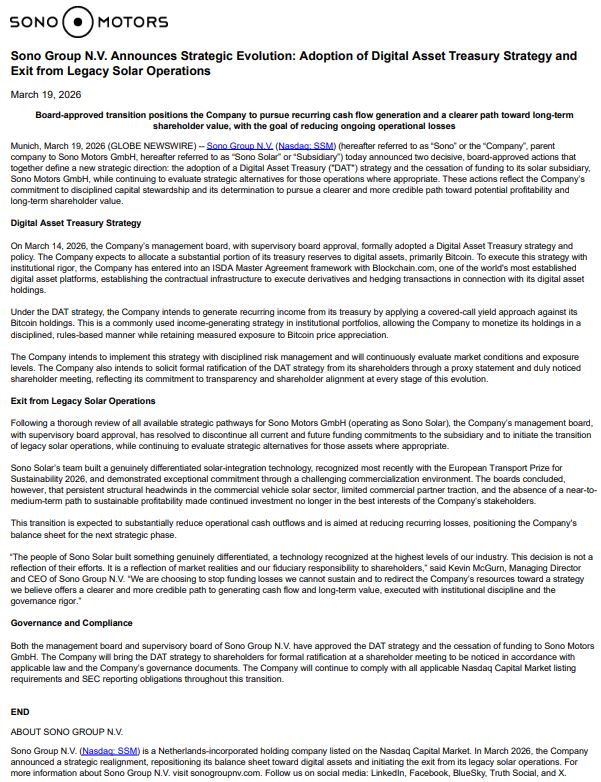
The post argues that digital asset treasury (DAT) companies will need to shift from simply holding tokens on their balance sheets to becoming active operators that generate recurring cash flow from those assets by 2026. It reflects a broader maturation of the listed “bitcoin/crypto treasury” model, pushing these firms toward more operational, capital-allocation and restructuring roles rather than pure balance-sheet exposure.
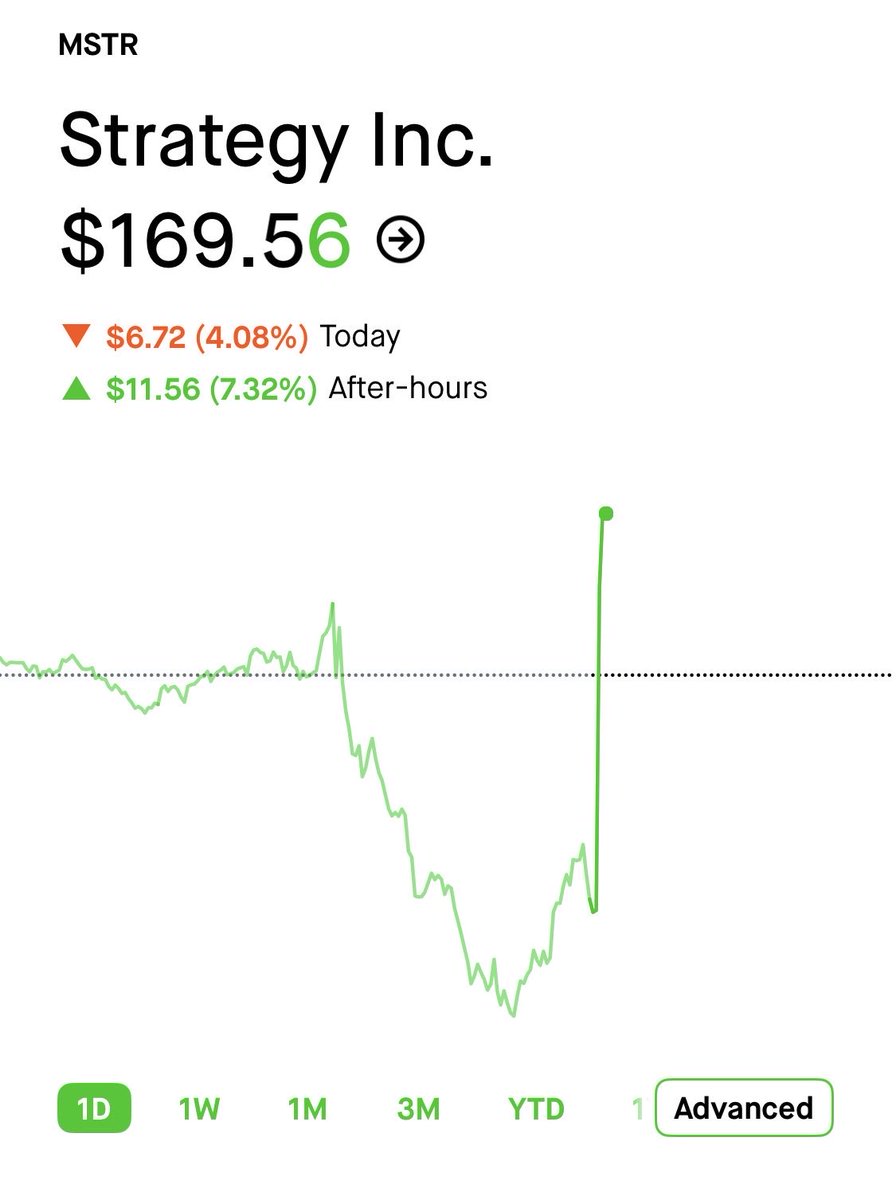
Digital asset treasury companies are public firms that raise equity and debt capital to acquire large reserves of Bitcoin and other crypto assets, functioning as a listed proxy for digital asset exposure. Many early DATs relied on a largely passive “buy-and-hold” approach, with their equity performance tied heavily to underlying token prices and the ability to tap capital markets. By 2025–2026, however, the sector has grown substantially—over 200 companies reportedly use DAT strategies, collectively holding more than $100 billion in crypto assets—and investors and regulators increasingly view them as a distinct capital-markets segment. At the same time, macro-driven volatility in Bitcoin and a more complex market structure have exposed the vulnerability of a purely passive strategy to drawdowns and funding cycles.
In response, DATs are evolving toward more actively managed, cash-flow-focused models that treat digital assets as productive capital rather than static reserves. This includes deploying holdings into staking and liquid staking, operating validators, derivatives, lending, basis trades and DeFi yield strategies, as well as potentially taking control positions in protocols or token projects and “fixing” their economics or operations to unlock additional value. Regulatory clarification around activities like liquid staking in 2025 has lowered barriers for some of these strategies, encouraging more sophisticated treasury management. The argument in the post is that, by 2026, the winners in this category will be those DATs that behave less like passive holding shells and more like operating companies or specialized asset managers that can redesign token structures, manage risk, and compound returns on their on-chain balance sheets, rather than relying solely on price appreciation.
✨ AI-generated background, compiled from web sources — not editorial content.