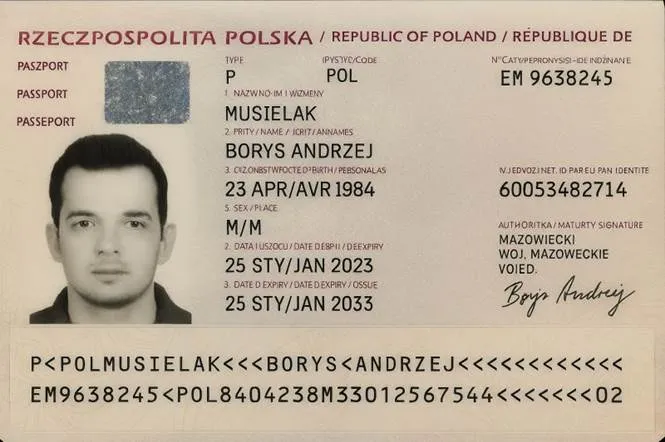
Forged passport generated using ChatGPT successfully passes a digital identity verification process in mere minutes
securityexpress.info •
Revision history
20 recorded changes
Want your article here?
Promote with Leviathan News20 recorded changes
Want your article here?
Promote with Leviathan NewsA recent security experiment showed that a forged passport image generated with ChatGPT-4o’s image tools was realistic enough to pass an automated digital identity (KYC) check within minutes, highlighting serious weaknesses in image-only identity verification flows. The test was conducted by Polish tech entrepreneur and investor Borys Musielak, who shared the results publicly and triggered debate in cybersecurity, fintech, and regtech circles. According to accounts of the experiment, Musielak prompted ChatGPT-4o to produce a complete passport-style document, including personal data, official-looking symbols, and a plausible photo layout, without needing specialist design tools or underground forgery skills. The resulting image was then submitted to a standard remote KYC process, where it successfully passed the initial automated document check used by some fintech platforms that rely mainly on visual inspection and photo/selfie matching rather than chip or NFC verification. Commentators noted that the document would not survive deeper checks tied to biometric chips present in modern e‑passports, but it was sufficient to defeat the first layer of screening that many online services still depend on. The incident is being cited as evidence that general-purpose generative AI is “closing the realism gap” for document forgery and effectively enabling low-skill “zero-knowledge” threat actors to generate convincing identity documents at scale. In response to growing attention, OpenAI’s tools began more aggressively rejecting prompts related to generating passports or official IDs, and recent AI-generated ID-like images reportedly include visible labels such as “sample” or “not for official use.” Security experts and fraud-detection vendors argue this case illustrates that any KYC or remote onboarding process that relies solely on static images or selfies is increasingly vulnerable, and they emphasize the need for stronger signals such as chip-based verification, liveness checks, and AI-specific forgery detection.
AI-generated background, compiled from web sources — not editorial content.

𝕏/@tradeparagon ·
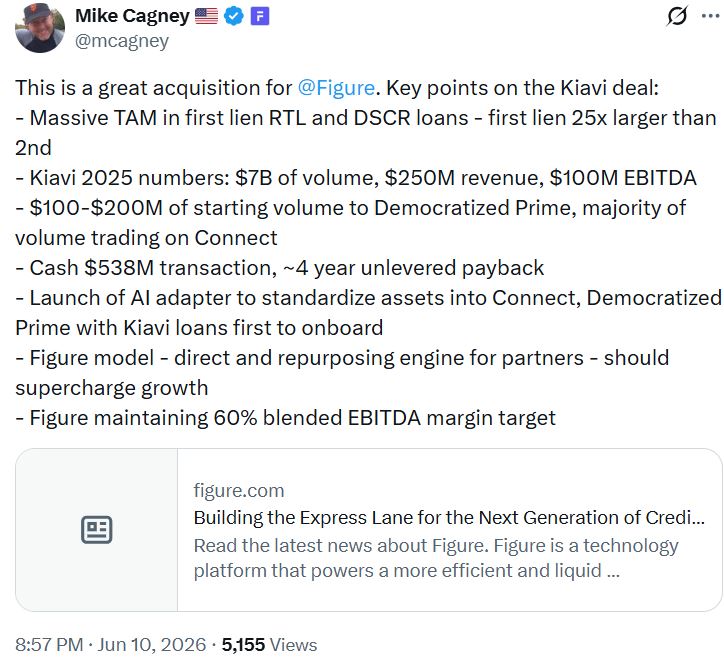
Figure ·

mas.gov.sg ·

Cryptonews ·
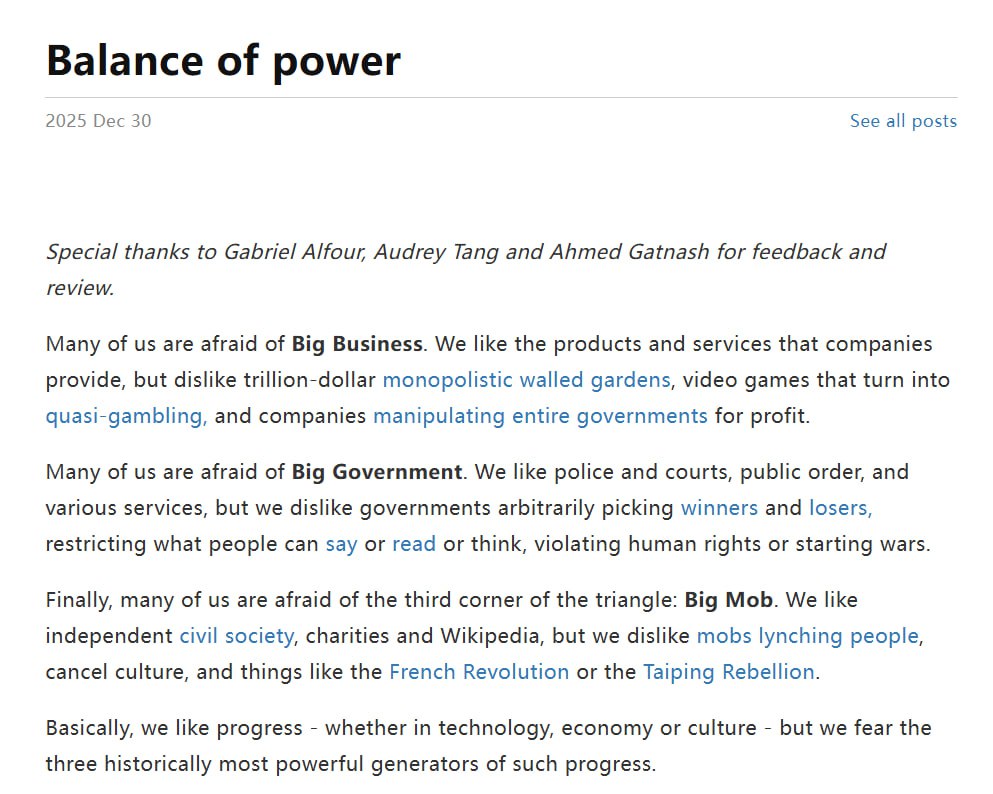
vitalik.eth.limo ·
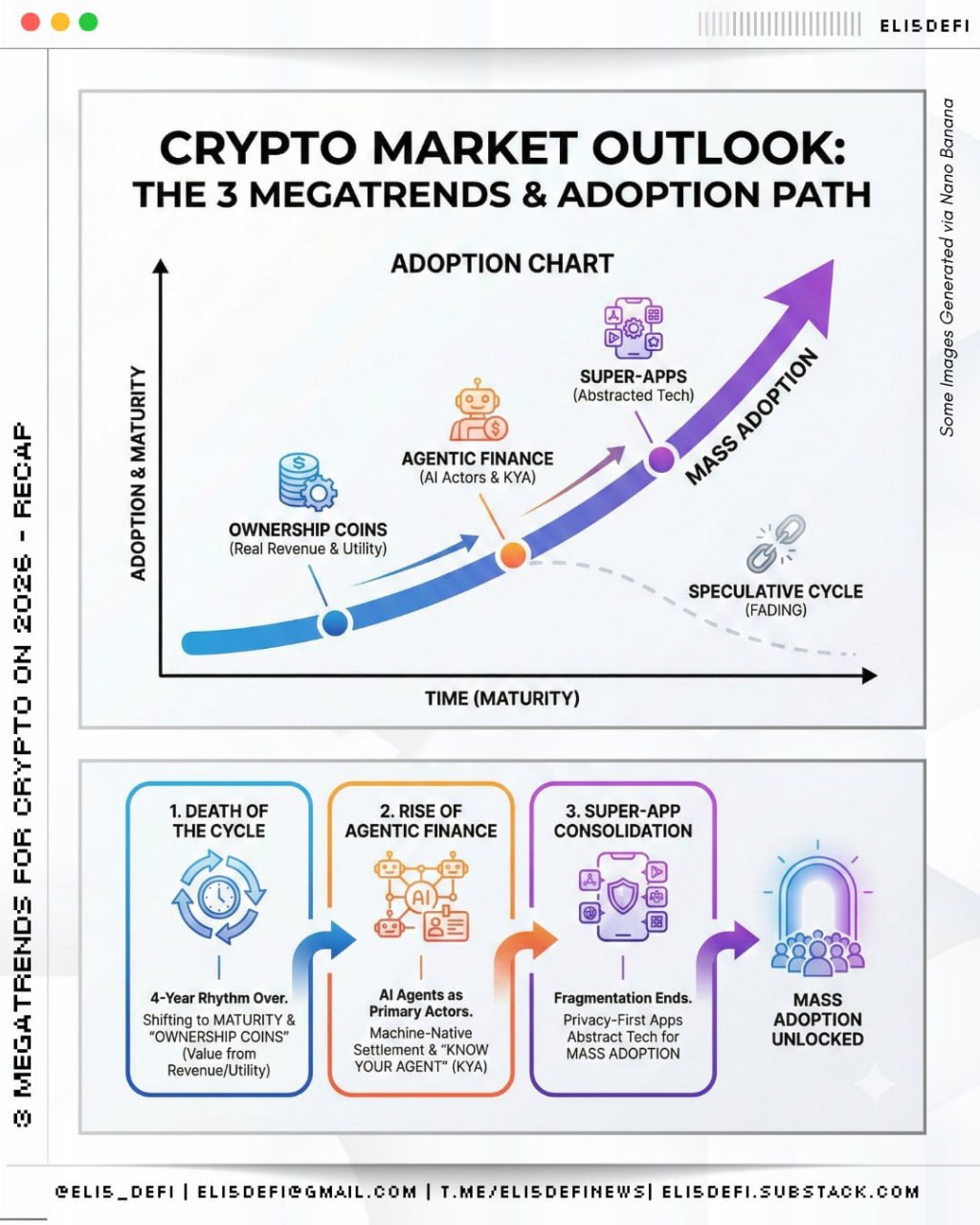
𝕏/@Eli5defi ·
𝕏/@tradeparagon ·
Figure ·
mas.gov.sg ·
Cryptonews ·
vitalik.eth.limo ·
𝕏/@Eli5defi ·
🚀 Love DeFi? Ready to dive in and start earning $SQUID while making an impact?