Atomic Wallet hack visualized, a Dune dashboard created by Taylor Monahan.

Dune •
Revision history
0 recorded changes
Want your article here?
Promote with Leviathan News0 recorded changes
Want your article here?
Promote with Leviathan NewsBlockchain security researcher Taylor Monahan (known as Tayvano) created a public Dune Analytics dashboard to visualize and track the on‑chain fallout from the Atomic Wallet hack, which occurred in early June 2023 and resulted in tens of millions of dollars in user funds being stolen across multiple chains. Atomic Wallet, a non‑custodial multi‑asset wallet with millions of downloads, reported that “less than 1%” of users were affected, but independent analyses by ZachXBT and Elliptic put the losses in the $35–100+ million range, with thousands of wallets compromised and some individual losses exceeding $1 million. The root cause of the breach has still not been clearly explained by Atomic Wallet, despite prior external audits flagging serious security issues. Elliptic and other investigators have attributed the incident to North Korea–linked Lazarus Group, noting that the stolen assets were laundered through mixers and services such as Sinbad.io (a rebranded form of Blender.io) and later via the sanctioned Russian exchange Garantex. Monahan’s Dune dashboard aggregates these on‑chain movements—covering victim addresses, stolen token flows, and laundering patterns—into a single, queryable interface, making it easier for analysts, exchanges, and investigators to monitor the funds, identify patterns consistent with other DPRK‑linked hacks, and potentially support asset-freezing or recovery efforts. For the broader ecosystem, the dashboard illustrates both the scale and methodology of a major hot‑wallet compromise and serves as a reference point for understanding how sophisticated attackers move funds across chains, mixers, and exchanges after a large crypto theft.
AI-generated background, compiled from web sources — not editorial content.
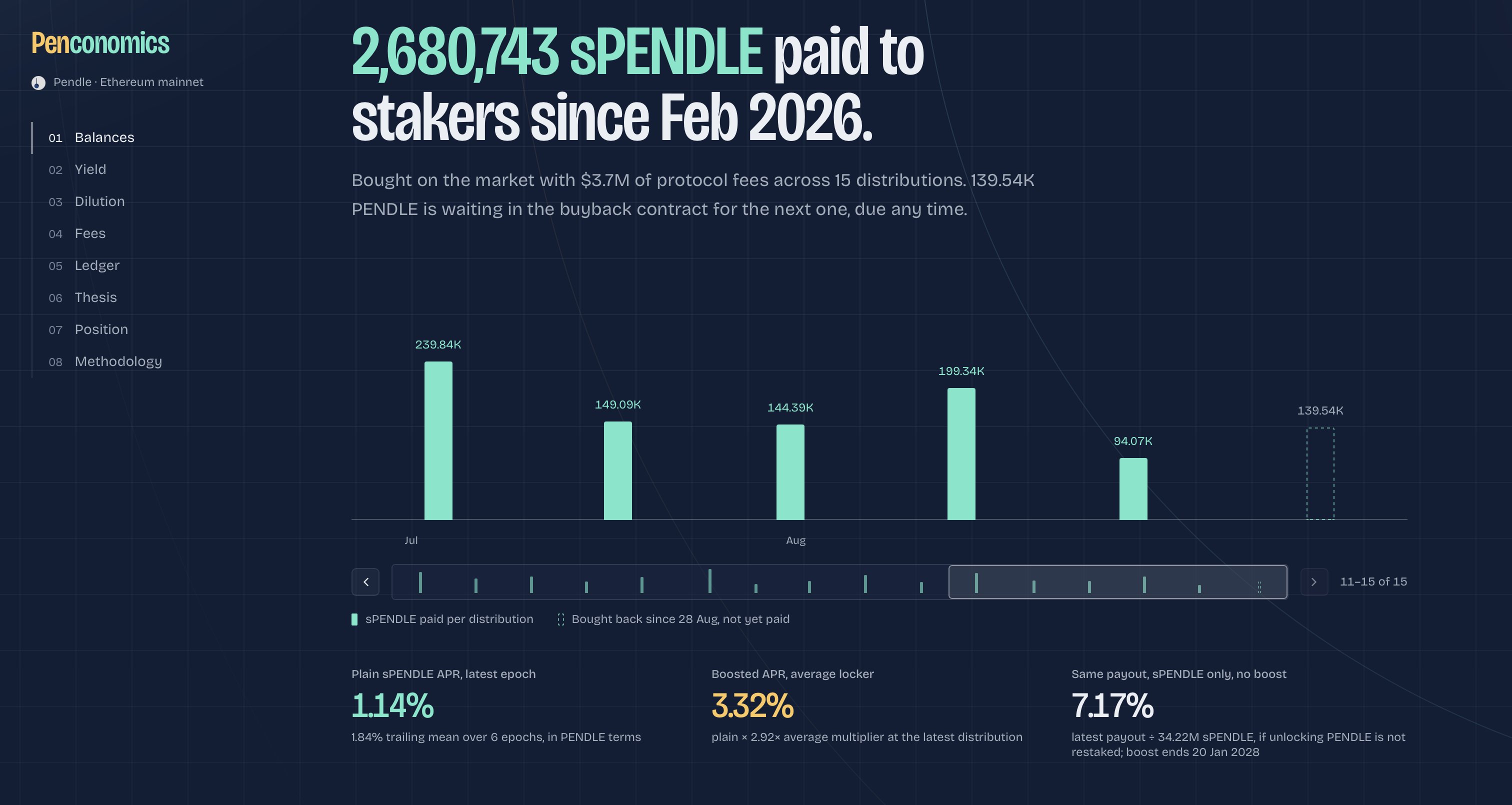
𝕏/@Shaurya477 ·

𝕏/@anondotinc ·
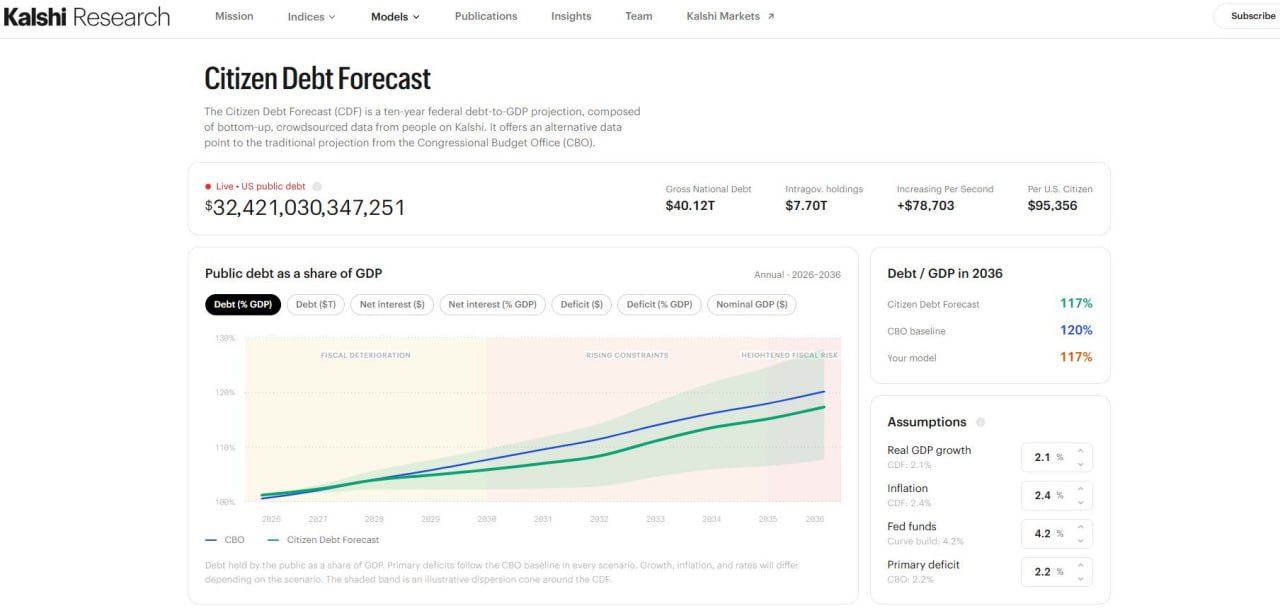
𝕏/@mansourtarek_ ·
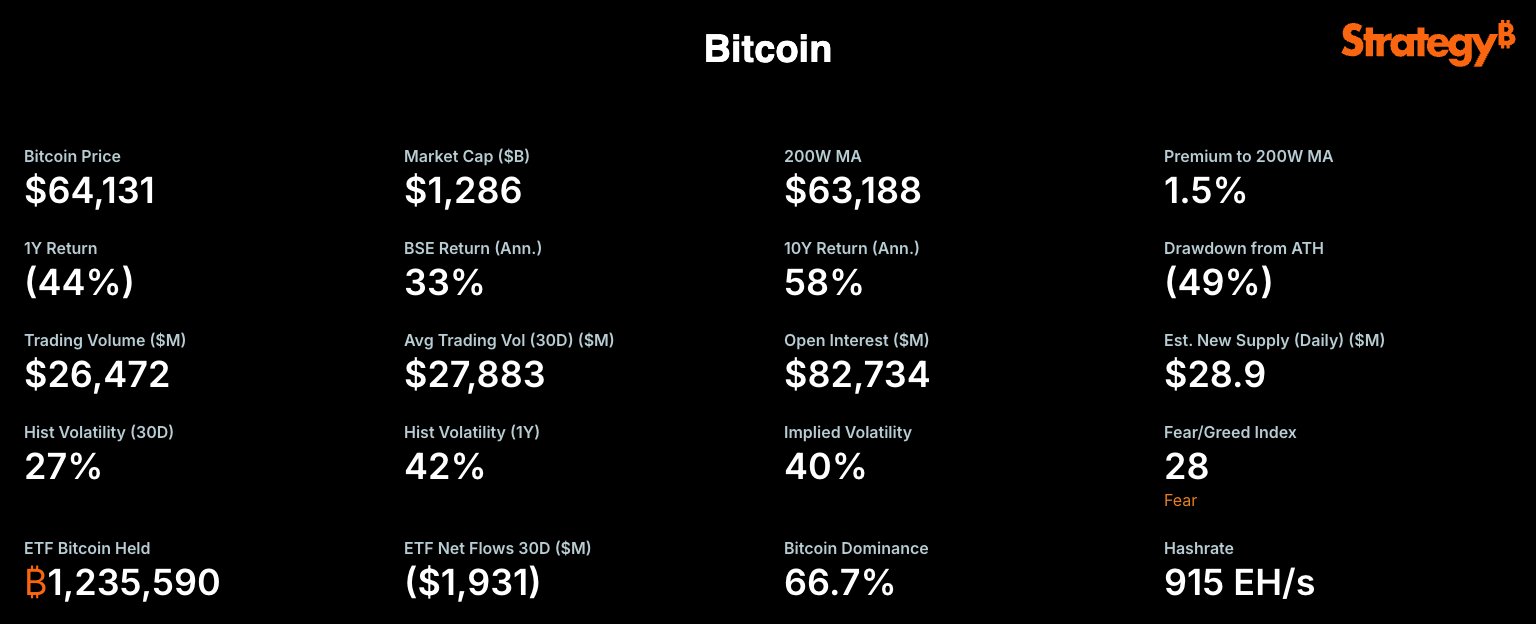
𝕏/@saylor ·
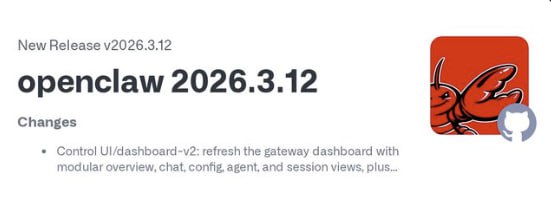
𝕏/@openclaw ·
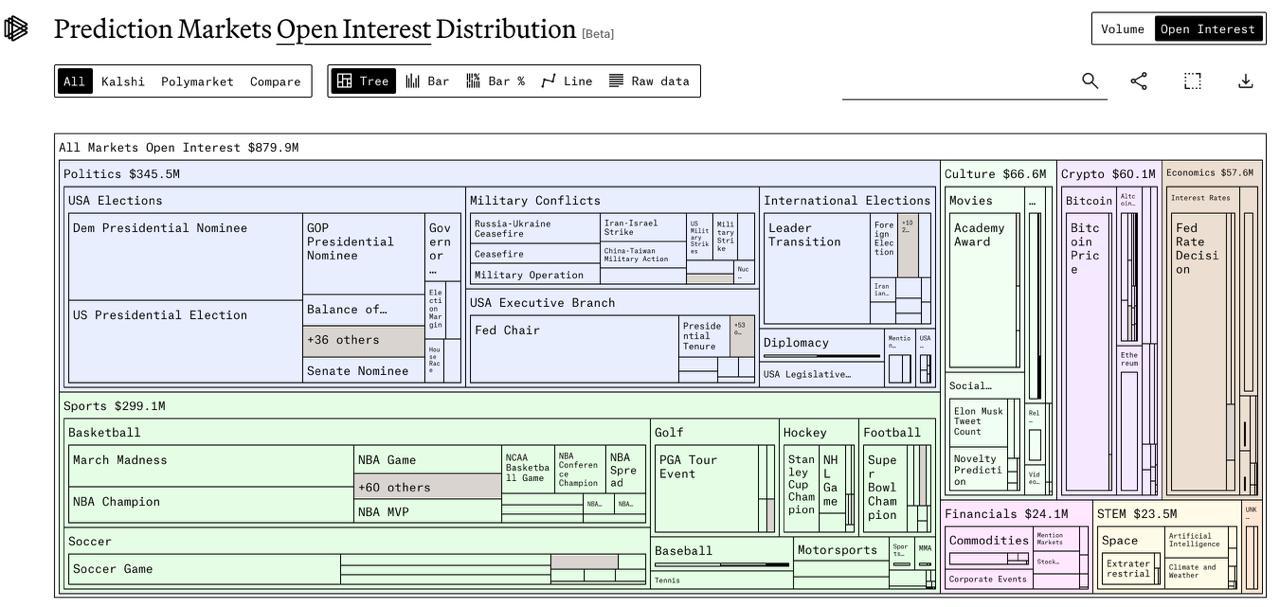
predictions.paradigm.xyz ·
𝕏/@Shaurya477 ·
𝕏/@anondotinc ·
𝕏/@mansourtarek_ ·
𝕏/@saylor ·
𝕏/@openclaw ·
predictions.paradigm.xyz ·
🚀 Love DeFi? Ready to dive in and start earning $SQUID while making an impact?