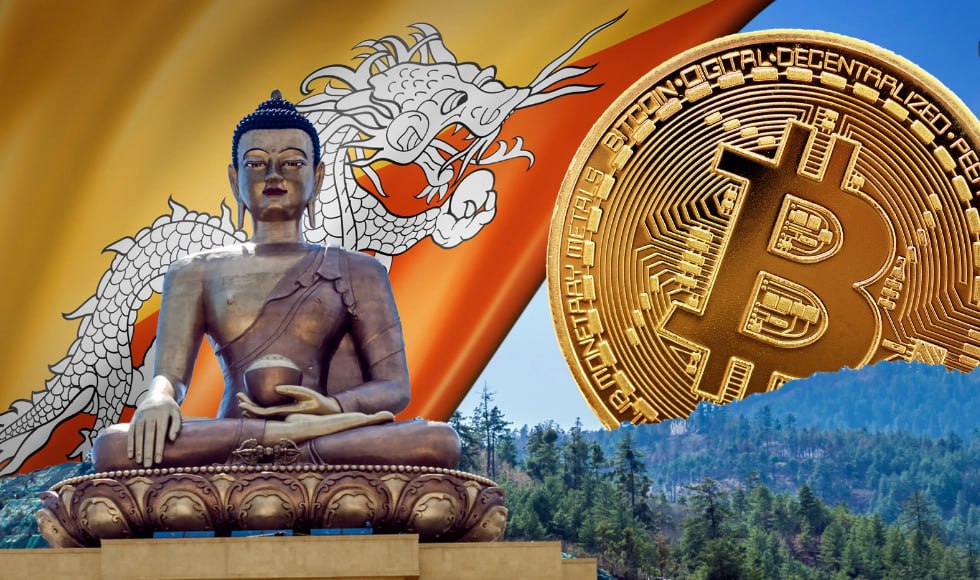
Bhutan’s Bitcoin gamble pays off with $1.3 Billion reserve, nearly 40% of GDP, fueled by Hydropower Mining.
archive.ph •
Revision history
10 recorded changes
Want your article here?
Promote with Leviathan News10 recorded changes
Want your article here?
Promote with Leviathan NewsBhutan has quietly built one of the world’s largest sovereign Bitcoin positions by using surplus hydropower to mine BTC, with its stash recently valued around $1.3 billion, or roughly 40% of national GDP, according to on‑chain analytics cited in multiple reports. Since around 2019–2020, the Himalayan kingdom has routed excess electricity from its extensive hydropower infrastructure into state-backed mining operations run through the royal investment arm Druk Holding & Investments and partners such as Bitdeer and Green Digital, allowing it to acquire Bitcoin at very low marginal cost. This strategy, pursued largely out of the public eye, has placed Bhutan among the largest government holders of Bitcoin globally. The Bitcoin reserve has become a meaningful macroeconomic lever for Bhutan. Reporting and Al Jazeera’s coverage indicate that proceeds from Bitcoin sales have been used to support government spending, including offsetting lost tourism revenue after the pandemic and financing a major civil service pay rise of around 50% in 2023. Officials have described Bitcoin as a strategic reserve asset, with part of the mined BTC held on the national balance sheet and part periodically sold for fiat to fund public services, healthcare, environmental projects, and salaries. Because much of the BTC was acquired via low-cost hydropower mining, even partial drawdowns of reserves have generally been realized at a profit for the state. More recent blockchain-tracking analyses, however, suggest that Bhutan has actively managed and significantly reduced its peak holdings as prices and fiscal needs have shifted. Data cited by Bitcoin-focused outlets and Arkham Intelligence indicate that reserves, which peaked around 12,000–13,000 BTC in late 2024 (worth over $1.3–$1.5 billion at then-prevailing prices), have since been cut by more than half, with several thousand BTC sold through recurring counterparties for liquidity and treasury management purposes. Even after these sales and price volatility, Bhutan remains an important case study in how a small, hydropower-rich economy can use Bitcoin mining and reserves both as a diversification tool and as a flexible source of budgetary support, while also exposing itself to substantial price and policy risk tied to a single volatile digital asset.
AI-generated background, compiled from web sources — not editorial content.
Loading related coverage…
Loading comments…
Restoring your session before loading comments…
chainwire.org ·

𝕏/@yzilabs ·

CoinTelegraph ·

3iq.io ·
𝕏/@Sign ·
Coindesk ·
chainwire.org ·
𝕏/@yzilabs ·
CoinTelegraph ·
3iq.io ·
𝕏/@Sign ·
Coindesk ·