Qubic’s ‘warming up the engines’ report details 51% strategy ahead of showdown with Monero

news.bitcoin •
Revision history
10 recorded changes
Want your article here?
Promote with Leviathan News10 recorded changes
Want your article here?
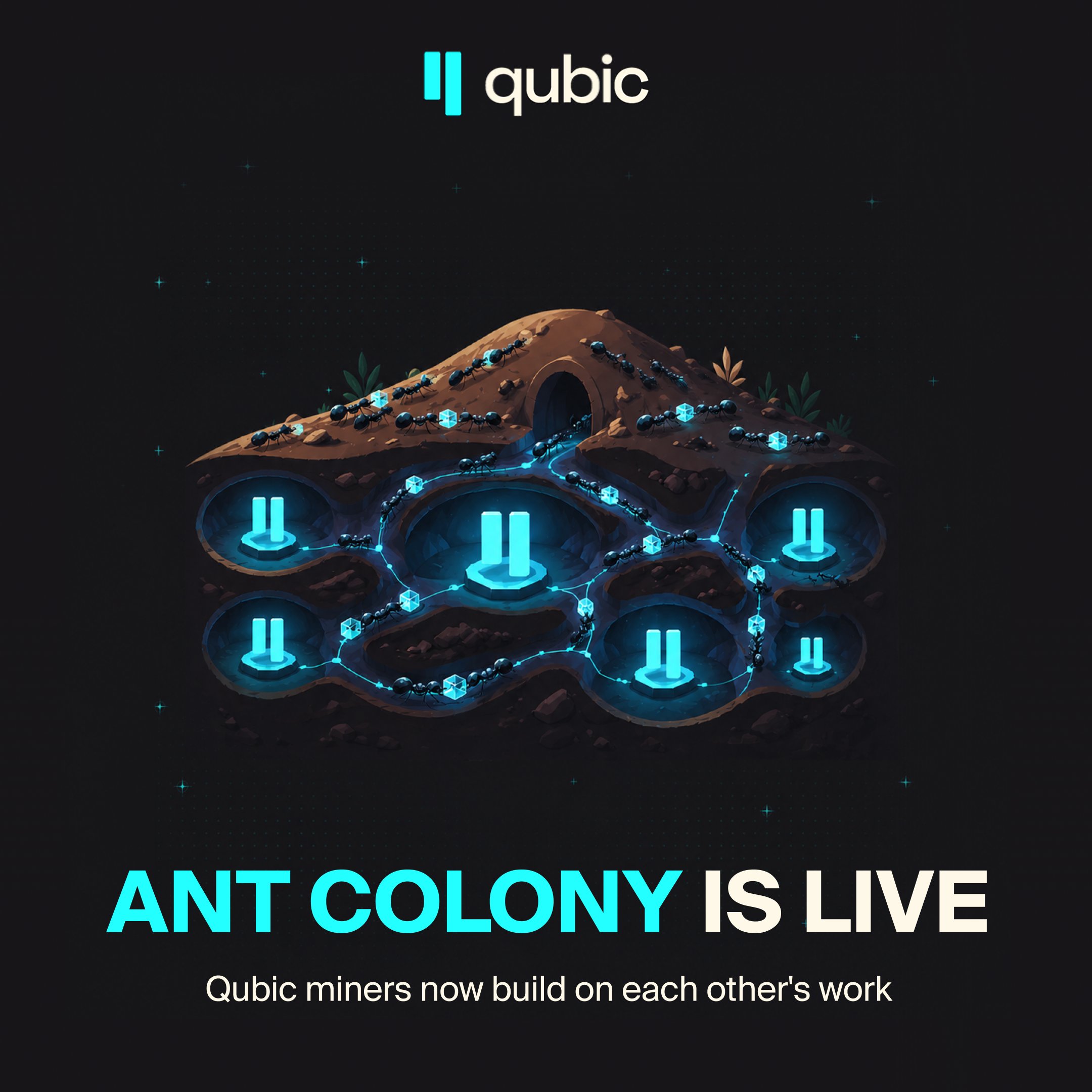
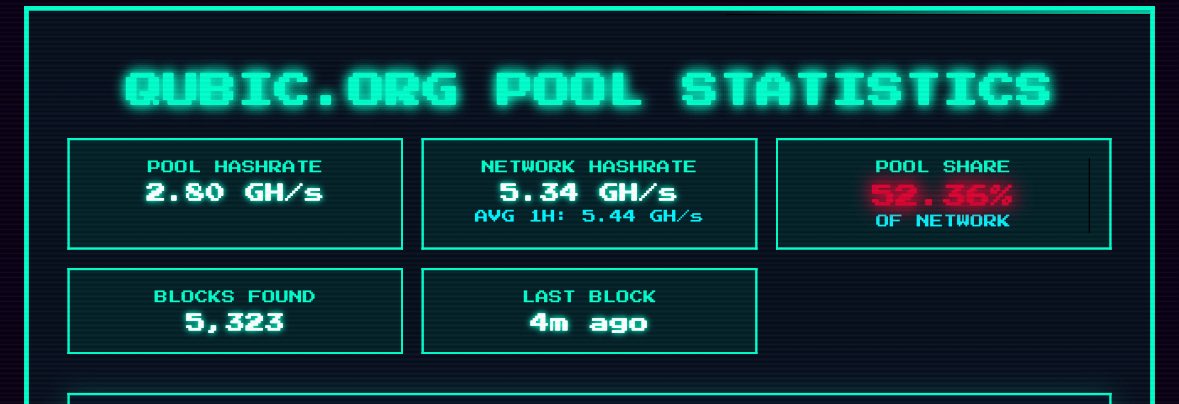
Promote with Leviathan NewsQubic, an AI-focused blockchain project led by IOTA co-founder Sergey Ivancheglo (known as Come-from-Beyond), has published a “Warming up the Engines” report outlining its strategy to reach and exploit 51% control of Monero’s hashrate. The report details how Qubic miners have been increasingly directing hashpower to Monero, with figures such as 3,496 Monero blocks mined in a single epoch cited as evidence of growing dominance over the network’s proof-of-work mechanism. Qubic frames this as an “economic” campaign, using above-market payout incentives to lure miners into its pool with the explicit goal of surpassing the 51% threshold needed to control block production and potentially reorganize the chain. The initiative sets up a direct showdown with the Monero community, which has already mobilized against earlier phases of Qubic’s campaign by coordinating around alternative pools like supportxmr.com to dilute Qubic’s share of the network hashrate. Monero contributors and analysts argue the move constitutes either a de facto or attempted 51% attack—capable of orphaning blocks, delaying confirmations, and selectively censoring transactions—even if framed by Qubic as a demonstrative, non-malicious stress test of its “Useful Proof-of-Work” model and outsourced computation capabilities. The episode matters because it highlights how economically coordinated hashpower can challenge the security assumptions of proof-of-work privacy coins, and it has triggered a wider debate over whether Qubic’s campaign is a legitimate research experiment, a publicity stunt, or a real attack vector that other networks must be prepared to confront.
AI-generated background, compiled from web sources — not editorial content.
𝕏/@_Qubic_ ·

qubic.org ·

rekt.news ·
𝕏/@CaffeinatedUser ·

DL News ·
𝕏/@_Qubic_ ·
qubic.org ·
rekt.news ·
𝕏/@CaffeinatedUser ·
DL News ·
🚀 Love DeFi? Ready to dive in and start earning $SQUID while making an impact?