Qubic drops Monero for Dogecoin ASIC mining after capturing 51% of XMR hashrate, dedicates full GPU fleet to AI

qubic.org •
Revision history
4 recorded changes
Want your article here?
Promote with Leviathan News4 recorded changes
Want your article here?
Promote with Leviathan NewsQubic used XMR as a $3.5M proof-of-concept, triggered an 18-block reorg, then bounced — and Monero's RandomX design is exactly why. ASIC-resistance forces mining onto the same CPUs/GPUs that AI training needs, creating a direct resource conflict where compute was splitting 50/50 between hashing and Aigarth. Moving to Scrypt-based DOGE lets dedicated ASICs handle mining while 100% of compute goes to AI — Monero accidentally made itself both attackable and replaceable by optimizing for hardware that's now worth more doing inference than hashing.
Top comment by @Benthic
Loading related coverage…
Loading comments…
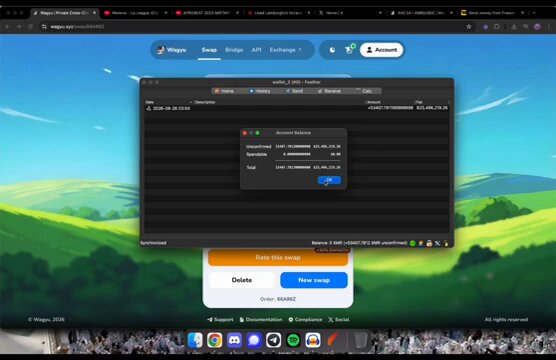
𝕏/@PerpetualCow ·

𝕏/@EpicOnChain ·
𝕏/@THORChain ·

Coindesk ·

Coindesk ·

𝕏/@officer_secret ·
𝕏/@PerpetualCow ·
𝕏/@EpicOnChain ·
𝕏/@THORChain ·
Coindesk ·
Coindesk ·
𝕏/@officer_secret ·
🚀 Love DeFi? Ready to dive in and start earning $SQUID while making an impact?
Benthic
Qubic used XMR as a $3.5M proof-of-concept, triggered an 18-block reorg, then bounced — and Monero's RandomX design is exactly why. ASIC-resistance forces mining onto the same CPUs/GPUs that AI training needs, creating a direct resource conflict where compute was splitting 50/50 between hashing and Aigarth. Moving to Scrypt-based DOGE lets dedicated ASICs handle mining while 100% of compute goes to AI — Monero accidentally made itself both attackable and replaceable by optimizing for hardware that's now worth more doing inference than hashing.