Monero community mocks Qubic’s failed 51% hashrate bid as nothing more than a publicity stunt.

DL News •
Revision history
7 recorded changes
Want your article here?
Promote with Leviathan News7 recorded changes
Want your article here?
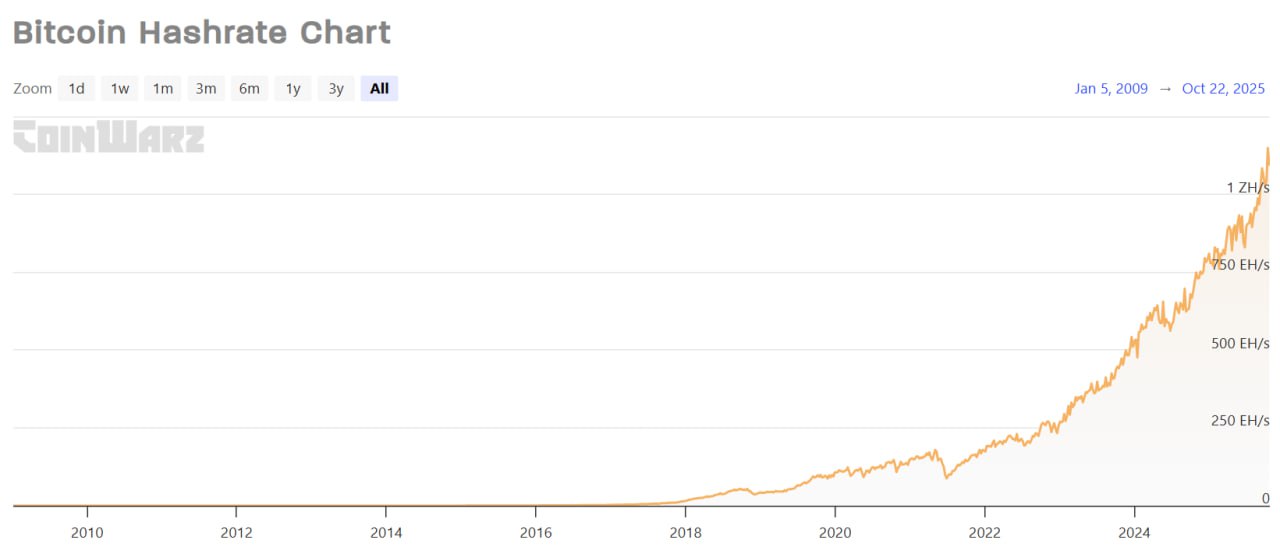
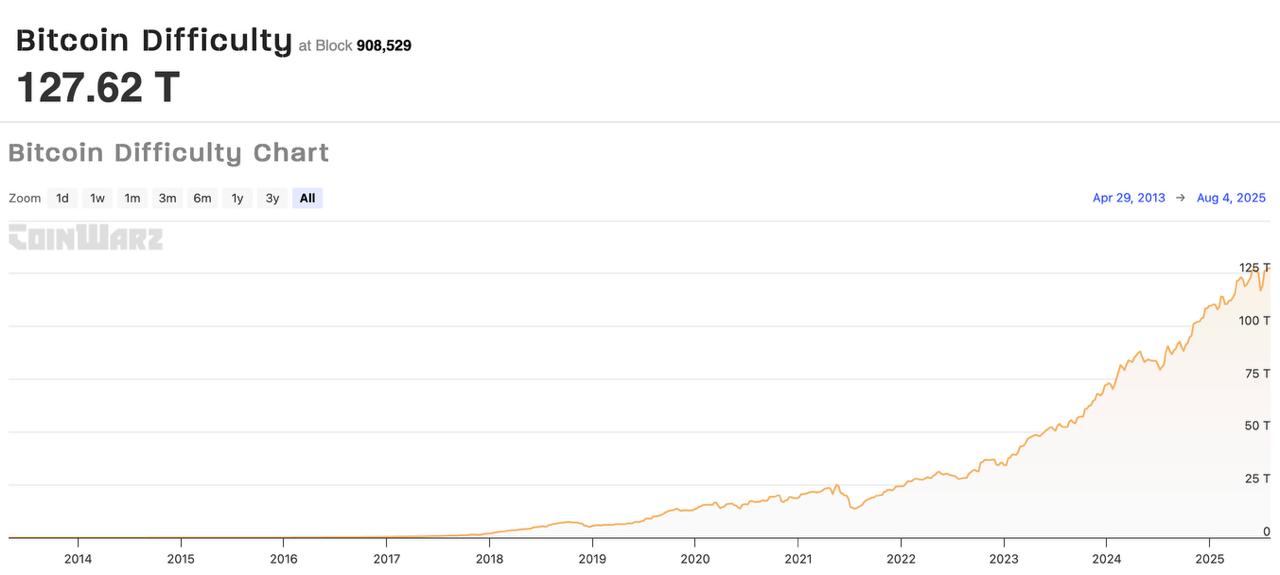
Promote with Leviathan NewsIn early August 2025, Qubic, an AI‑focused protocol with its own mining pool, launched an openly declared attempt to gain majority control of the Monero (XMR) network’s hashrate, framing it as an “economic” or “stress test” attack rather than a software exploit. Qubic, led by Sergey Ivancheglo (known as “Come‑from‑Beyond”), offered enhanced rewards to attract Monero miners into its pool and publicly stated its goal of centralising Monero mining and even rejecting blocks from other pools. Qubic’s own communications later claimed it had reached 51% hashrate and successfully reorganised the chain using selfish‑mining tactics, presenting this as a “historic takeover” and a proof of its “useful proof‑of‑work” model. Monero developers, miners, and community members disputed both the scale and the framing of Qubic’s campaign, describing it as a live 51% attack attempt driven by financial incentives and marketing rather than a genuine security test. Community figures encouraged miners to abandon Qubic and consolidate temporarily in alternative pools such as SupportXMR and decentralised options like P2Pool to dilute Qubic’s influence. Tracking data and independent observers questioned Qubic’s 51% claims, with some analyses arguing that hashrate figures were exaggerated or manipulated and that Monero had not, in fact, suffered a full 51% compromise, even though short‑lived chain reorganisations and empty‑block mining were observed. As Qubic’s share of network hashrate fell and its pool later reported near‑zero hashrate, many in the Monero community characterised the episode as a failed takeover and, effectively, a publicity stunt that nonetheless highlighted ongoing debates about mining centralisation, economic attacks on proof‑of‑work networks, and the reliability of self‑reported hashrate metrics.
AI-generated background, compiled from web sources — not editorial content.
Loading related coverage…
Loading comments…
Coinwarz ·
Bitcoinist ·
rekt.news ·
Coinwarz ·
𝕏/@NPC_68 ·
Coindesk ·
Coinwarz ·
Bitcoinist ·
rekt.news ·
Coinwarz ·
𝕏/@NPC_68 ·
Coindesk ·
🚀 Love DeFi? Ready to dive in and start earning $SQUID while making an impact?
Loading comments…
Restoring your session before loading comments…