The widely detested Biden-era broker rule is dead after the US House overturns it with a 292-131 vote, following the Senate’s 70-27 decision. The rule would have harmed DeFi and added KYC requirements for non-custodial wallets.
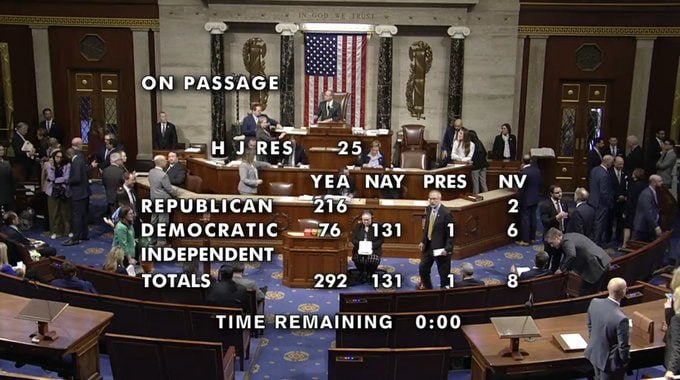
The widely detested Biden-era broker rule is dead after the US House overturns it with a 292-131 vote, following the Senate’s 70-27 decision. The rule would have harmed DeFi and added KYC requirements for non-custodial wallets.
𝕏/@jchervinsky
Revision history

5 recorded changes

Want your article here?

Promote with Leviathan News


The U.S. Congress has formally overturned the Biden administration’s late‑2024 “digital asset broker” rule for decentralized finance, and President Donald Trump has signed the disapproval measure into law. The rule, issued by Treasury and the IRS in December 2024, sought to apply existing broker tax‑reporting requirements under Internal Revenue Code Section 6045 to a broad range of digital asset intermediaries, including certain DeFi actors, by requiring them to file a new Form 1099‑DA for customer transactions. Critics in the crypto industry and in Congress argued that, as written, the rule would have effectively treated many DeFi participants and some wallet or protocol operators as brokers even when they lacked the ability to collect user identity and transaction data, thereby making compliance technically unworkable and potentially pushing DeFi activity offshore. House Joint Resolution 25, led by Rep. Mike Carey (R‑OH), passed the House 292–132 on March 11 and the Senate 70–28 on March 26, reflecting unusually strong bipartisan support for scrapping the measure. Under the Congressional Review Act, the joint resolution both nullifies the IRS/Treasury rule on “Gross Proceeds Reporting by Brokers That Regularly Provide Services Effectuating Digital Asset Sales” and bars the agency from issuing a substantially similar regulation without new authorization from Congress. Lawmakers backing the resolution, joined by a broad coalition of more than 100 industry and stakeholder groups, framed the move as necessary to prevent “burdensome and unworkable” reporting mandates that they said would have crippled parts of the U.S. digital asset sector, especially DeFi, and imposed new compliance expectations on entities like non‑custodial service providers that do not function like traditional securities brokers. Supporters of the original rule had argued it would improve tax compliance and align digital assets with existing financial reporting standards, but those provisions will now need to be revisited legislatively if they are to be re‑imposed.

AI-generated background, compiled from web sources — not editorial content.

More coverage

Explore the topic

More on DeFi

Comments