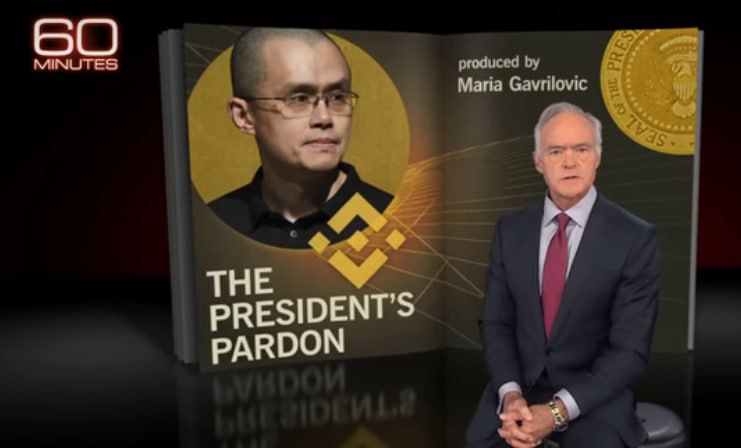
President Trump’s pardon of Binance’s billionaire founder is sparking concerns over potential conflicts of interest and the broader use of presidential pardon powers.

Replay
Click to load the YouTube player. YouTube will set its own cookies once loaded.

Youtube
Revision history

6 recorded changes

Want your article here?

Promote with Leviathan News

President Trump’s pardon of Binance founder Changpeng Zhao has drawn scrutiny because Zhao had pleaded guilty in 2023 to failing to maintain an effective anti-money-laundering program at Binance, a case that resulted in a $4 billion corporate penalty and a four-month prison sentence for Zhao. The pardon, issued in October 2025, prompted questions about whether Binance’s hiring of lobbyists with ties to Trump’s orbit and the company’s business dealings connected to Trump-family ventures influenced the decision. The broader context is that presidential pardons are a discretionary power, but this episode has intensified debate over possible conflicts of interest when political allies, donors, or businesses connected to a president benefit from clemency decisions. Reporting around the case says Binance and Zhao spent heavily on lobbying and that Binance-linked support for the Trump family’s World Liberty Financial venture raised further concerns about the intersection of crypto, influence-peddling, and executive power.

AI-generated background, compiled from web sources — not editorial content.

More coverage

Explore the topic

More on Binance

Comments