China releases web3 white paper, stating the technology is an "inevitable trend for future Internet industry development"

The Block •
Revision history
0 recorded changes
Want your article here?
Promote with Leviathan News0 recorded changes
Want your article here?
Promote with Leviathan NewsBeijing’s municipal authorities have released a “Beijing Internet 3.0 (Web3) Innovation and Development White Paper (2023),” describing Web3 as an “inevitable trend for future Internet industry development” and outlining a government-backed roadmap to build the city into a leading hub for next‑generation internet technologies. The document, produced by the Beijing Municipal Science and Technology Commission together with the Zhongguancun Science Park Management Committee, divides Web3 into infrastructure, interactive terminal, platform/tool, and application layers, and frames areas such as artificial intelligence, virtual reality, NFTs and the metaverse as core components of the emerging Internet 3.0 stack. Chaoyang District plans to allocate at least 100 million yuan (around $14 million) annually to support Web3 industry development through research funding, policy support and ecosystem construction. The white paper signals a more assertive, state‑directed push into Web3 technologies in mainland China, even as the country maintains tight restrictions on public crypto trading and speculation. Rather than focusing on open, permissionless blockchains like Bitcoin or Ethereum, the policy emphasis is on controllable, enterprise and state‑aligned infrastructure, including NFTs, metaverse applications, and domestic blockchain platforms, to enhance digital governance, industrial innovation and global competitiveness. The release also coincides with Hong Kong’s move to license crypto trading platforms, prompting speculation that Beijing may be calibrating a more nuanced regional strategy toward digital assets and broader Web3 development.
AI-generated background, compiled from web sources — not editorial content.

𝕏/@tradeparagon ·
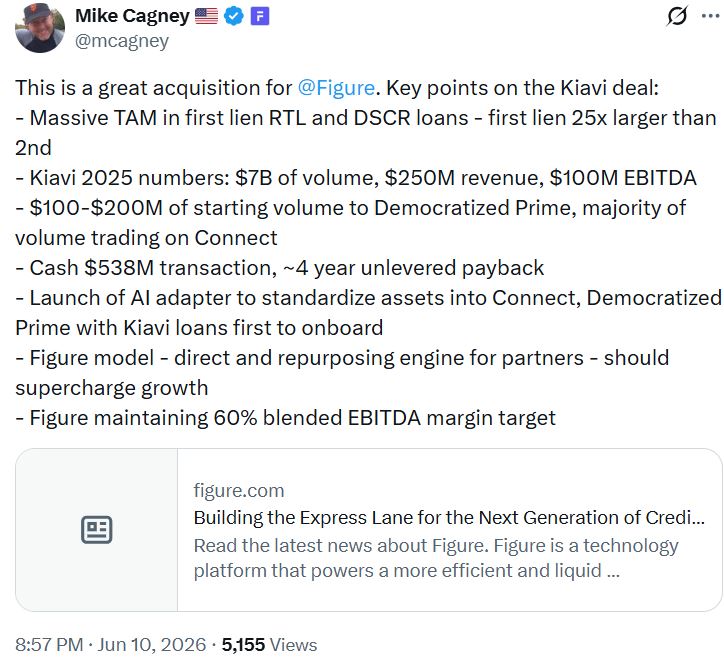
Figure ·

mas.gov.sg ·
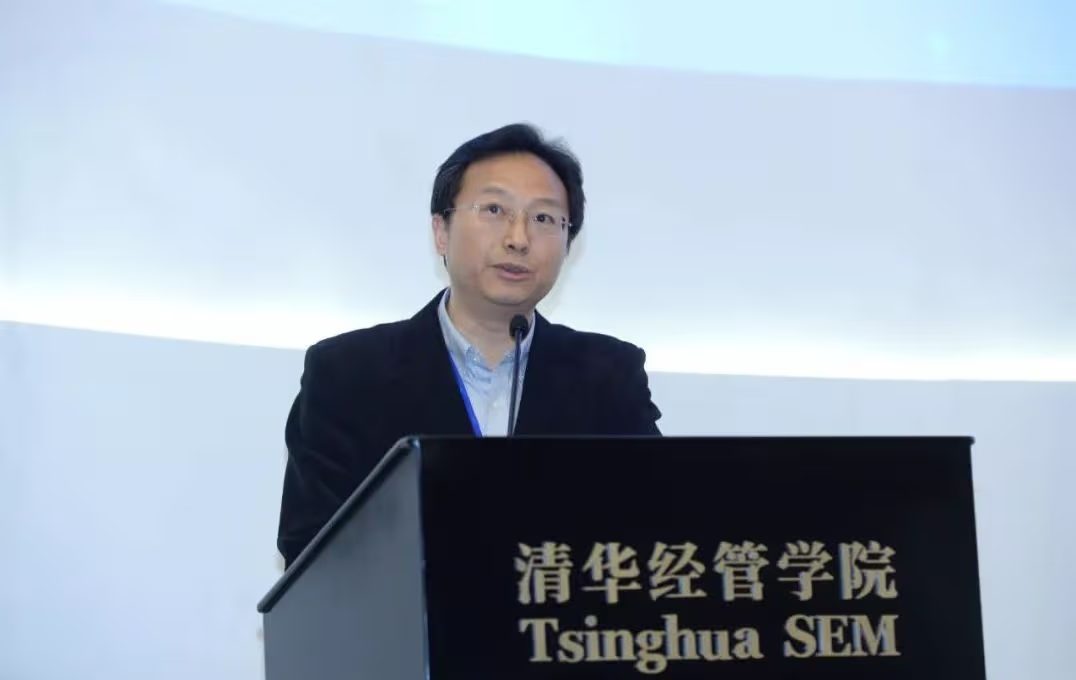
Cryptonews ·
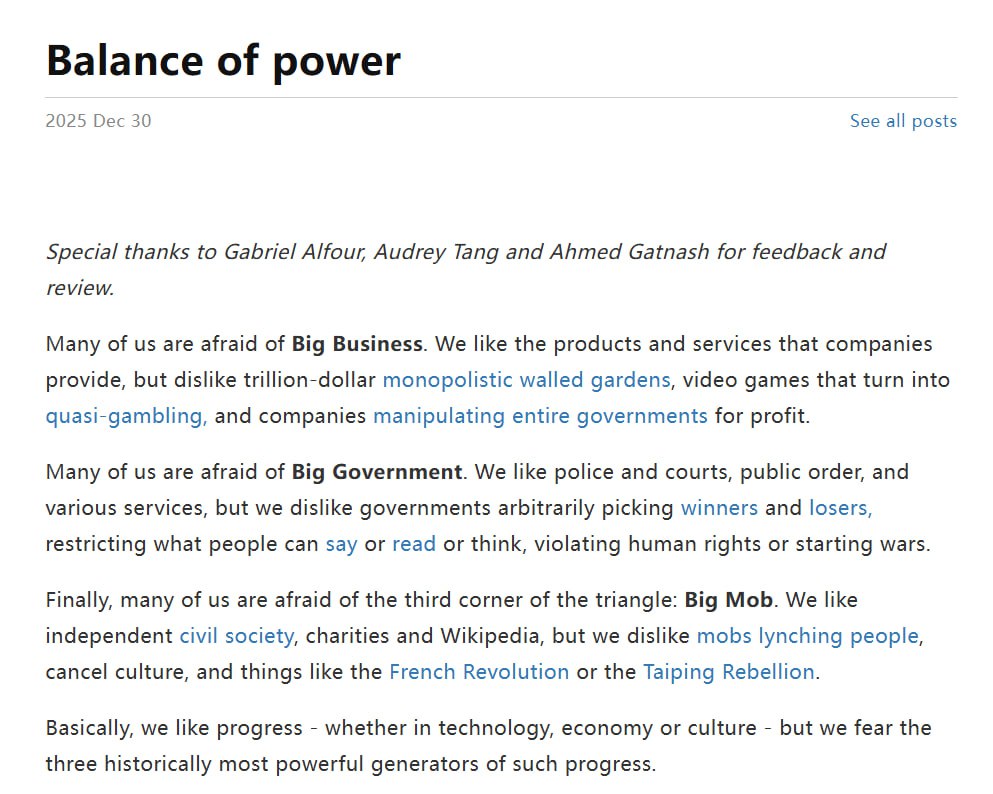
vitalik.eth.limo ·
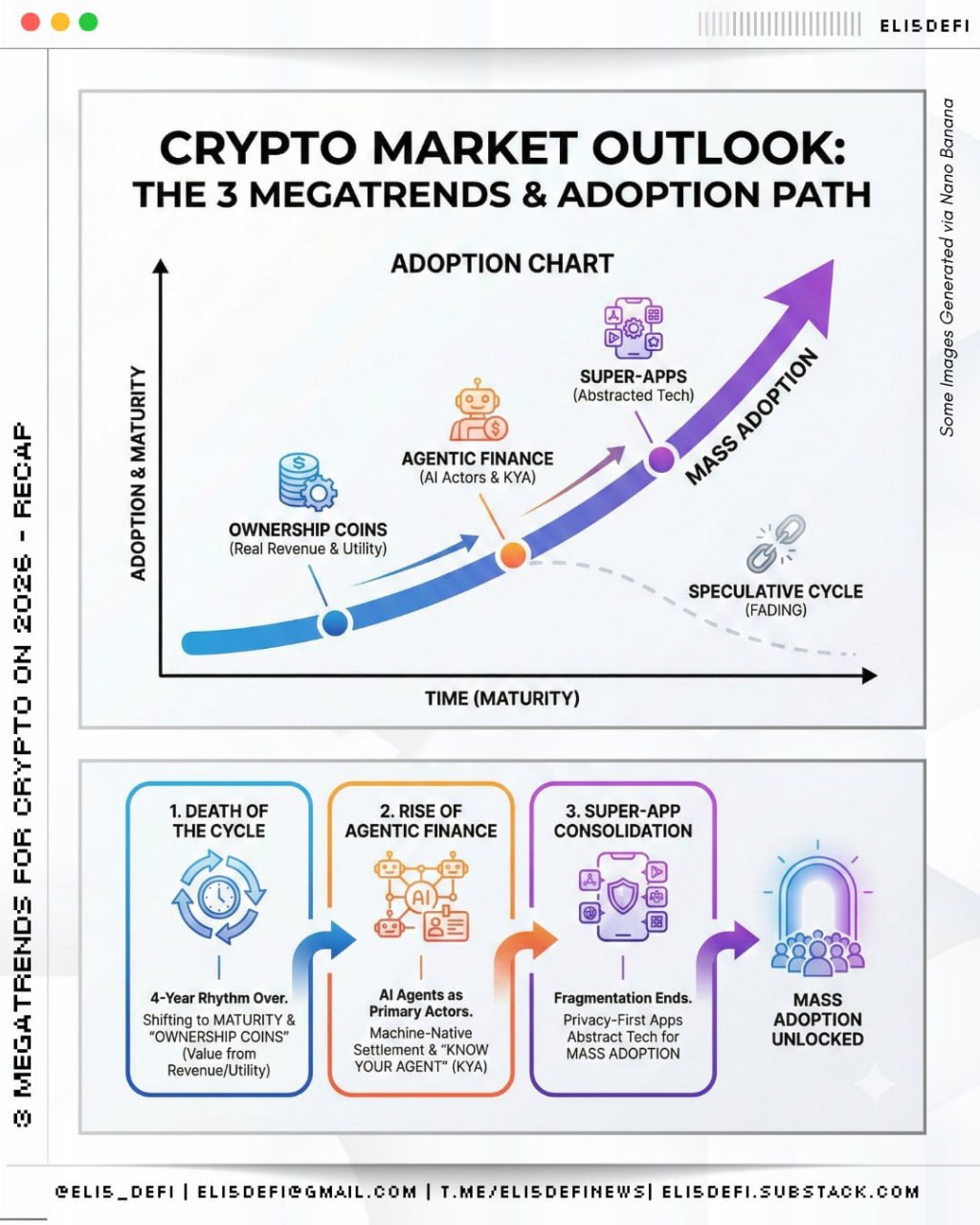
𝕏/@Eli5defi ·
𝕏/@tradeparagon ·
Figure ·
mas.gov.sg ·
Cryptonews ·
vitalik.eth.limo ·
𝕏/@Eli5defi ·
🚀 Love DeFi? Ready to dive in and start earning $SQUID while making an impact?