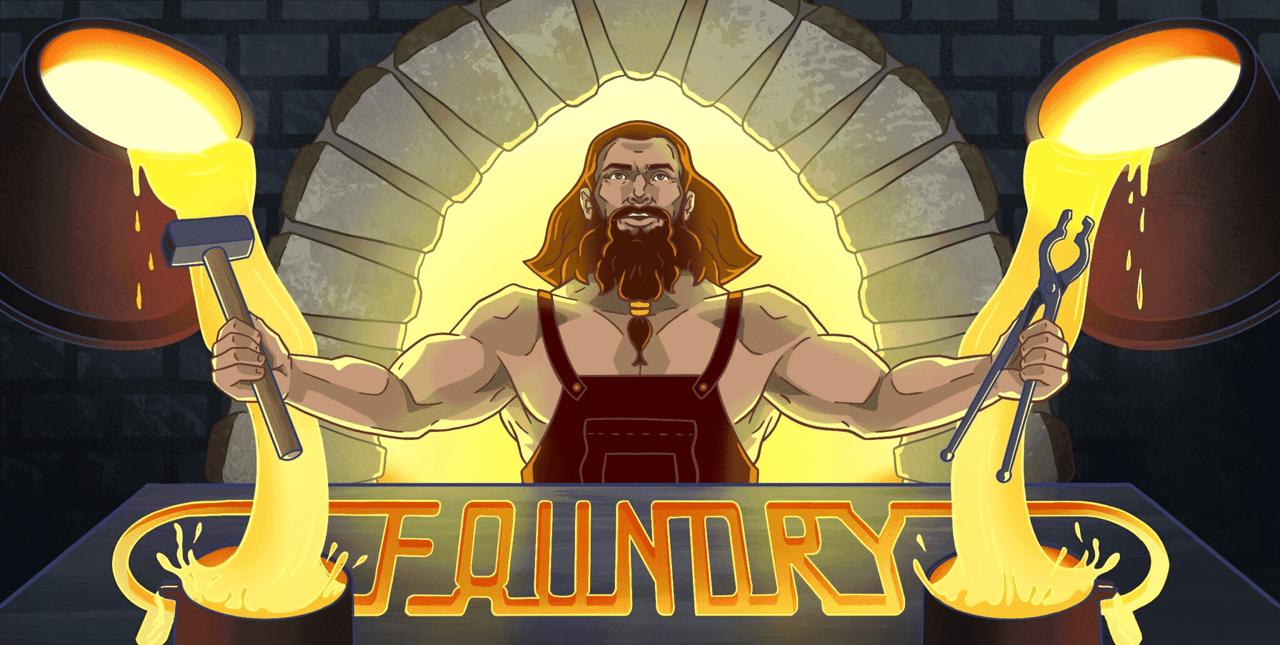
Foundry's invariant testing in action. This is how DeFi wins
𝕏/@johnnyonline_ •
Revision history
3 recorded changes
Want your article here?
Promote with Leviathan News3 recorded changes
Want your article here?
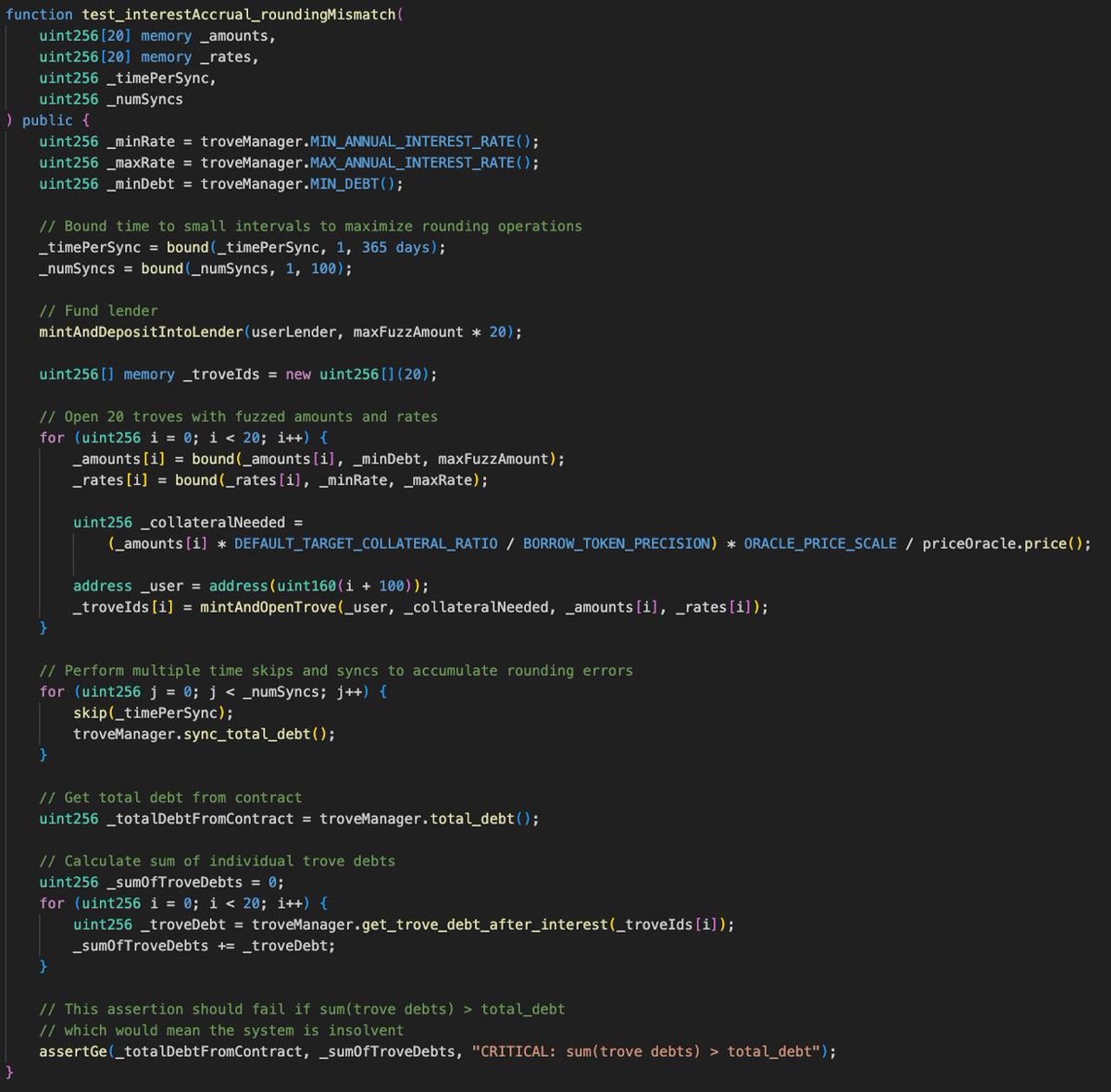
Promote with Leviathan NewsA viral X thread from smart contract developer @johnnyonline showcases how Foundry’s invariant testing can automatically uncover serious DeFi protocol bugs, arguing that widespread use of these methods is a structural security advantage for decentralized finance over traditional finance. In the post, Johnny walks through a concrete example of using Foundry’s stateful fuzzing / invariant tests against a DeFi-style contract: he defines protocol-wide rules (invariants) that should always hold, such as solvency or conservation of balances, then lets Forge generate long, randomized sequences of function calls to try to break those rules. When an invariant fails, Foundry produces an exact call trace showing how the protocol was driven into an invalid state, making it much easier for developers to pinpoint and fix logic flaws before deployment. This kind of testing goes beyond ordinary unit tests and stateless fuzzing by exploring many possible user interactions and state transitions, including edge cases developers may not anticipate. The broader context is the growing view in the security community (also promoted by firms like Cyfrin and in the official Foundry docs) that invariant testing should be a baseline practice for serious DeFi protocols, because it systematically exposes vulnerabilities that might otherwise be caught only in expensive audits or, worse, post‑exploit. By highlighting real invariant failures and fixes, the thread argues that DeFi’s open-source culture plus modern tooling (Foundry, fuzzing, invariants) can make protocols more transparently and rigorously tested than opaque TradFi systems, framing this methodology as part of “how DeFi wins” in security and reliability.
AI-generated background, compiled from web sources — not editorial content.
Coindesk ·
𝕏/@0xB10C ·

Businesswire ·
𝕏/@johnnyonline_ ·
𝕏/@wavey0x ·

The Block ·
Coindesk ·
𝕏/@0xB10C ·
Businesswire ·
𝕏/@johnnyonline_ ·
𝕏/@wavey0x ·
The Block ·
🚀 Love DeFi? Ready to dive in and start earning $SQUID while making an impact?